Mark 16:4
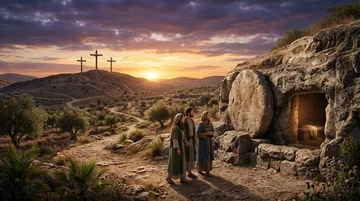
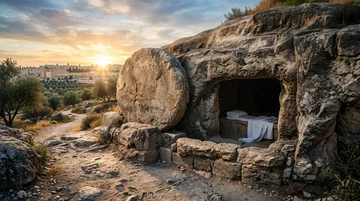
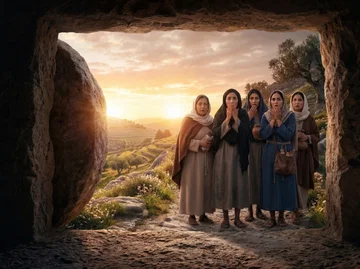
And when they looked, they saw that the stone was rolled away: for it was very great.
Translations
American King James Version, King James Version, KJV Cambridge Paragraph Bible
And when they looked, they saw that the stone was rolled away: for it was very great.
(And when they looked, they saw that the stone was rolled away) for it was very great.
Revised Version, American Standard Version
and looking up, they see that the stone is rolled back: for it was exceeding great.
And having looked, they see that the stone hath been rolled away — for it was very great,
And when they looked, they see that the stone has been rolled [ away], for it was very great.
And, looking up, they observe that the stone hath been rolled up,—for it was exceeding great.
Berean Standard Bible, Majority Standard Bible
But when they looked up, they saw that the stone had been rolled away, even though it was extremely large.
for it was very big. Looking up, they saw that the stone was rolled back.
And looking up, they saw that the stone was rolled back; and it was of great size.
And when they looked, they saw that the stone was rolled away (for it was a very great one)
Douay-Rheims (Challoner revision)
And looking, they saw the stone rolled back. For it was very great.
Pictures
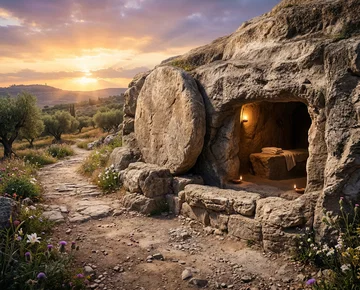
Cross-references 20 of 43
- Matthew 28:2
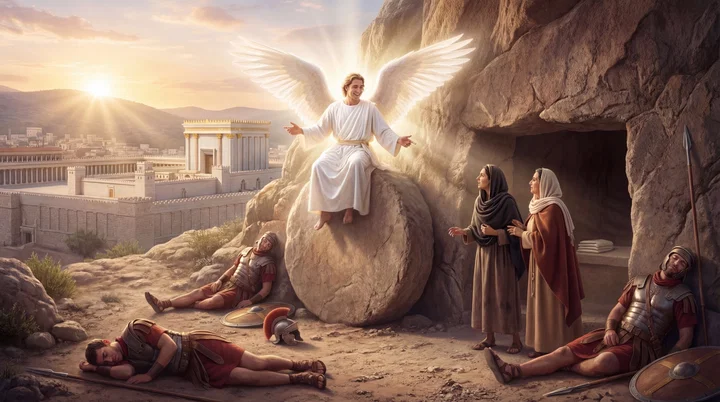
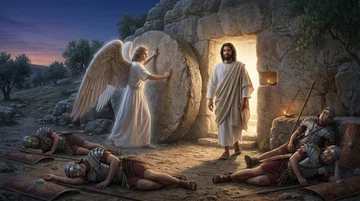
And, behold, there was a great earthquake: for the angel of the Lord descended from heaven, and came and rolled back the stone from the door, and sat upon it.
An angel rolls away the stone from Jesus’ tomb.
- Luke 24:1-6
Now upon the first day of the week, very early in the morning, they came unto the sepulchre, bringing the spices which they had prepared, and certain others with them.
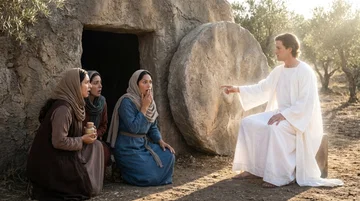
The women find the stone rolled away and hear that Jesus has risen.
- John 20:1
The first day of the week cometh Mary Magdalene early, when it was yet dark, unto the sepulchre, and seeth the stone taken away from the sepulchre.
Mary Magdalene finds the stone removed from the tomb.
- Matthew 28:1
In the end of the sabbath, as it began to dawn toward the first day of the week, came Mary Magdalene and the other Mary to see the sepulchre.
Both describe the Marys’ dawn visit to the tomb on the first day after the Sabbath.
- Luke 23:56
And they returned, and prepared spices and ointments; and rested the sabbath day according to the commandment.
The women rested on the Sabbath before coming to the tomb on resurrection morning.
- Mark 16:9
Now when Jesus was risen early the first day of the week, he appeared first to Mary Magdalene, out of whom he had cast seven devils.
Dates Jesus’ rising to the first day of the week.
- Luke 24:2
And they found the stone rolled away from the sepulchre.
The women find the stone rolled away from the tomb.
- Matthew 16:21
From that time forth began Jesus to shew unto his disciples, how that he must go unto Jerusalem, and suffer many things of the elders and chief priests and scribes, and be killed, and be raised again the third day.
Jesus foretold his death and resurrection on the third day.
- Luke 24:5-7
And as they were afraid, and bowed down their faces to the earth, they said unto them, Why seek ye the living among the dead?
The angels announce Jesus is risen, recalling his predicted death and third-day resurrection.
- Mark 8:31
And he began to teach them, that the Son of man must suffer many things, and be rejected of the elders, and of the chief priests, and scribes, and be killed, and after three days rise again.
Jesus had foretold that he would rise after being killed.
- Matthew 28:9
And as they went to tell his disciples, behold, Jesus met them, saying, All hail. And they came and held him by the feet, and worshipped him.
Jesus meets the women after they leave the tomb.
- Luke 24:12
Then arose Peter, and ran unto the sepulchre; and stooping down, he beheld the linen clothes laid by themselves, and departed, wondering in himself at that which was come to pass.
Peter visits the tomb and finds it empty.
- Mark 15:42
And now when the even was come, because it was the preparation, that is, the day before the sabbath,
Christ was buried before the Sabbath and rose after it.
- John 20:11-15
But Mary stood without at the sepulchre weeping: and as she wept, she stooped down, and looked into the sepulchre,
Mary weeps at the empty tomb, believing Jesus’ body has been taken.
- Matthew 28:4
And for fear of him the keepers did shake, and became as dead men.
The angel’s appearance leaves the guards powerless, as the women find the stone rolled away.
- 1 Corinthians 15:4
And that he was buried, and that he rose again the third day according to the scriptures:
Both affirm that Christ rose from the dead.
- Matthew 12:40
For as Jonas was three days and three nights in the whale’s belly; so shall the Son of man be three days and three nights in the heart of the earth.
Jesus predicts three days and nights in the grave before resurrection.
- 1 Corinthians 15:20
But now is Christ risen from the dead, and become the firstfruits of them that slept.
Christ’s resurrection assures the resurrection of the dead.
- Luke 24:22-24
Yea, and certain women also of our company made us astonished, which were early at the sepulchre;
The women find the tomb empty, and the risen Jesus meets two disciples traveling to Emmaus.
- John 11:25
Jesus said unto her, I am the resurrection, and the life: he that believeth in me, though he were dead, yet shall he live:
Jesus’ declaration that he is the resurrection and the life is echoed in his rising from the grave.
Commentary
Each commentary is drawn from primary sources: the writings of Ellen G. White and Adventist pioneers and periodicals. Each commentary is separate. Its own words are not a quotation; follow the references to read the source passages.
Ellen G. White
11 sources
After the Sabbath was past, very early on the first day of the week at sunrise, Mary Magdalene and Mary the mother of James and Salome, the three Marys, came bringing sweet spices to anoint the body of Jesus.Ms 115, 1897, par. 1–2ST Dec 14, 18823SP 198.2SG1 71.2Ms 28, 1897, par. 21–29 As they came they said among themselves who would roll away the stone from the door of the sepulchre.Ms 115, 1897, par. 1–2 They had kept the Sabbath according to the commandment, so the earlier pouring of ointment on Jesus was the only anointing He had received, with no further anointing before this resurrection-morning visit.Ms 28, 1897, par. 21–29
When they looked, they found the stone already rolled away from the door, though it was very great, large, heavy and immense.Ms 115, 1897, par. 1–2ST Dec 14, 18823SP 198.2SG1 71.2DA 788.2–3 The tomb and grave were empty with the body of Jesus gone, and the Roman guard was gone.3SP 198.2SG1 71.2ST Aug 22, 1878DA 788.2–3Ms 28, 1897, par. 21–29 Seeing the tomb open and the body gone, the women feared His enemies had taken Him.SG1 71.2 They were told by angels that Jesus of Nazareth who was crucified had risen, were shown where He had lain, and were told He would go before the disciples into Galilee.Ms 115, 1897, par. 1–2SG1 71.2
The Roman guards also, as the glory of the angelic messenger faded, raised their heads to find the very great stone already removed and the tomb empty with the body gone.ST Aug 15, 1878ST Nov 8, 1883 They hastened to the city with the news that the crucified Christ was risen, which reached the disciples with mingled hope and fear and was announced to the priests and rulers, leaving the priests pale with horror that prophecy concerning Messiah was being fulfilled.ST Aug 15, 1878 The stone was rolled back by a mighty angel from heaven with face bright like lightning and garments white as snow, who laid hold of the immense stone and moved it with ease as easily as a pebble while the earth shook and trembled and the guards were stricken powerless.ST Aug 15, 1878COS 173.5–174.1ST Nov 8, 1883Ms 83, 1910, par. 33–34
As the tomb was opened Christ, whose life came from heaven, walked out of the grave as a mighty Conqueror in triumph, with a form of great glory emerging and a chorus of voices filling heaven and earth with songs of victory and joy until the light faded and the music ceased.ST Aug 15, 1878COS 173.5–174.1Ms 83, 1910, par. 33–34 His resurrection shows that He was not left in the grave and that He is a living Saviour.Ms 83, 1910, par. 33–34
Sources
Pioneers and periodicals
46 sources
On the resurrection morning the women came with spices to anoint the hastily buried body of Jesus, asking on the way who would roll away the stone, and when they looked up they found the exceeding great stone already rolled back before they arrived.ST Dec 14, 1882ST Mar 12, 1894ST Nov 21, 1900ST Oct 21, 1886 This was at sunrise on the first day of the week after they had rested on the Sabbath, early on the third day after His death in fulfillment of His prediction.ST Nov 21, 1900RH Apr 1, 1873RH Jun 24, 1873RH Sep 16, 1902ST Jun 10, 1875 A mighty shining angel from the presence of the Father had laid hold of the immense stone and moved it as easily as a pebble, and Christ came forth to die no more in triumph over sin and death with His sacrifice complete.ST Aug 15, 1878ST Oct 21, 1886ST Apr 11, 1911RH Sep 16, 1915 The account fixes the weekly sequence by placing the open tomb on the first day after the seventh-day Sabbath, yet it gives that day no title of Sabbath or holy day and contains no command, permission, or hint to keep it weekly in place of the Sabbath.RH Oct 14, 1915ST Mar 18, 1889ST Feb 8, 1883ST Aug 6, 1912ST Jan 27, 1904 Although the women worried about an obstacle too large for them to move, it had been removed before they arrived, teaching that God opens the way and removes obstacles when His people go forward in faith rather than retreat in fear.RH Nov 9, 1911RH May 18, 1911RH Dec 1, 1904RH Jul 21, 1903
Stone, Tomb, and Women
Early on the resurrection morning the women came to the tomb bringing spices to anoint the hastily buried body of Jesus, expecting to perform a burial rite.ST Dec 14, 1882ST Aug 22, 1878ST Apr 7, 1909 On the way they were saying among themselves who would roll away the stone from the door of the tomb, and when they looked up toward the tomb they saw that it was already rolled away and rolled back before they arrived.ST Mar 12, 1894ST Nov 21, 1900ST Oct 21, 1886ST Mar 12, 1894 They came when the sun was risen, wondering who could move it, and this finding belongs to the evidence of what happened on the first day after the Sabbath.ST Mar 12, 1894ST Nov 21, 1900ST Jul 2, 1894
The stone is described as very great and exceeding great, meaning that moving it would not have been an easy task and it was too large for the women to move.ST Mar 12, 1894RH Jun 24, 1873ST Mar 12, 1894RH Nov 9, 1911ST Feb 7, 1911 Its great size explains their question on the way and why no human help appeared possible for them.ST Mar 12, 1894ST Mar 12, 1894RH Nov 9, 1911
The parallel account explains that an angel rolled the stone away, a mighty shining messenger from heaven and from the presence of the Father who laid hold of the immense stone and moved it as easily as a pebble.ST Aug 15, 1878ST Nov 8, 1883ST Oct 21, 1886RH Sep 16, 1915 With face bright like lightning and garments white as snow he lighted the early dawn, caused the earth to shake and tremble, and then sat upon the stone.ST Aug 15, 1878ST Nov 8, 1883RH Sep 16, 1915 When the glory faded and the light and music ceased, the very great stone was found already removed from the door.ST Aug 15, 1878ST Nov 8, 1883RH Sep 16, 1915
Then the Roman guards were found powerless, fallen to the earth like dead men and stricken, and afterward scattered and gone to the city with the news.ST Aug 15, 1878ST Aug 22, 1878ST Feb 7, 1911RH Sep 16, 1915 The tomb was found empty with the body of Jesus gone and the Master gone, for he had risen as conqueror over sin and death and the closure of the tomb was not the end.ST Aug 15, 1878ST Apr 7, 1909ST Apr 8, 1903ST Feb 7, 1911 This opened the way for the women to enter and hear from a heaven-commissioned angel messenger with a living message of mighty import that the crucified Nazarene is risen and is not there.ST Apr 7, 1909RH Apr 12, 1860RH May 18, 1911 They learned that he had risen, became tellers of the news, and were entrusted with it for the sorrowing disciples and met by Christ in his first appearance after his resurrection as they returned with fear and great joy, a first blessing before the fuller outpouring at Pentecost.ST Apr 7, 1909RH Apr 12, 1860ST Aug 26, 1880ST Nov 11, 1908
Morning, Day, and Sequence
The finding belongs to the resurrection morning, when the sun was risen and it began to dawn toward the first day of the week, after the women had rested on the Sabbath.ST Nov 21, 1900RH Oct 14, 1915ST Jun 18, 1894RH Sep 16, 1902ST Nov 24, 1914 Mark 16:1-6 points out that first day as the day of Christ's resurrection, and the preceding seventh day was the Sabbath, so the open tomb was found on the day after the Sabbath, the day that followed it.RH Apr 1, 1873RH Jun 24, 1873RH Oct 14, 1915ST Jun 18, 1894RH Sep 16, 1902 Together with Luke 23:52-56 it supports that Christ was raised on the third day after his death, in fulfillment of his prediction.RH Sep 16, 1902ST Jun 10, 1875
The resurrection occurred early on that first day, on the third day after the death of Jesus.RH Sep 16, 1902ST Jun 10, 1875RH Sep 16, 1915 He lay in the tomb through Saturday, having been buried for part of Friday, all of Saturday, and part of Sunday, and was restored on the first day.RH Jun 24, 1873ST Jun 10, 1875 The empty tomb with its very great stone rolled away early in the morning of that third day establishes that he was not raised on the Sabbath, since a Saturday resurrection cannot fit the stated period in the grave.RH Jun 24, 1873RH Sep 16, 1915 It is not possible to get three nights between death and resurrection on those days, so the three days and three nights of Jonah do not refer to three nights lying in the grave.ST Jun 10, 1875
Mark makes the first day of the week prominent twice, in the account of the women in Mark 16:1-6 and again in verse 9.RH Apr 1, 1873 He joins Matthew, Luke, and John in a concurrent, prominent, uniform and somewhat formal mention of the first day of the week as resurrection day in four independent histories, the earliest written probably about twenty years after the event and the others after nearly twenty to over sixty years.RH Apr 1, 1873 The persons in the histories speak of the resurrection only as on the third day from and including crucifixion and burial, while the historians themselves change the statement to the first day of the week, which would be singular and inexplicable if the first day were still regarded like the second and third days, but is naturally explained if the first day had become an honored and noted day among Christians when the histories were written.RH Apr 1, 1873 This change of language and concurrent mention is strong presumptive evidence of the marked character of that day, testimony in the form of unstudied allusion or undesigned coincidence of great weight.RH Apr 1, 1873 The sealing of the stone with the guard present happened late on the Sabbath day, when the Pharisees broke the Sabbath in their anxiety to make the tomb secure, and the women's visit with its discovery of the stone already dealt with came afterward at dawn toward the first day, on the same first-day morning when Christ arose early, so Mark is in perfect harmony with Matthew and Luke.ST Jun 10, 1875ST Nov 24, 1914
The women and disciples did not expect the resurrection.RH May 10, 1860ST Mar 18, 1889ST Apr 3, 1901ST Apr 10, 1901 The women worried on the way about who could move the very large stone because they expected to perform a burial rite and anoint the body, and they found to their astonishment and surprise that the stone was already rolled away, the tomb open, and the body gone.ST Apr 3, 1901ST Apr 10, 1901RH Oct 21, 1862 Their question on the way reflected lack of faith that Jesus had risen despite his earlier words about his death and resurrection, and their surprise arose from not believing his words, for they did not yet understand that he had risen.ST Apr 3, 1901ST Apr 10, 1901RH Oct 21, 1862 The disciples likewise did not believe he had risen when they assembled afterward, did not regard that first day as a Sabbath, and did not meet together to celebrate the day, for two of them traveled seven miles to Emmaus on business that day.RH May 10, 1860ST Mar 18, 1889
Triumph and Resurrection Hope
Mark 16:4 belongs with the closing chapters of Christ's earthly life as the record of His triumph over death. The three faithful women came in gloom without hope at dawn after the Sabbath to serve their dead Lord, finding the blocking rock taken away from the lonely rock-hewn garden tomb of Joseph with nothing revealed inside.ST Apr 11, 1911 That removal proves Jesus had passed the Rome-sealed barrier in triumph with His sacrifice complete, turning death's boast to nothing.ST Apr 11, 1911 The great stone that had closed the tomb was rolled away by the time His friends came to it, for its closure was not the end, because He rose as conqueror over sin and death.ST Apr 8, 1903
The very great stone was rolled from the mouth of the sepulcher early on the third day after His death by a mighty shining angel descended right from the presence of the Father, lighting up the early dawn, causing the earth to tremble and the Roman soldiers guarding it to fall like dead men, and the angel then sat upon the stone.RH Sep 16, 1915 That angel awakened Jesus from the sleep of death with the Father's call to come forth, and He came forth to die no more, having the keys of death and the grave as a mighty conqueror.RH Sep 16, 1915
The risen Christ turns the gloom of His death into joy and gladness reaching through the centuries to all who rejoice in hope of eternal life through Him.ST Jun 17, 1889 He is Redeemer by His death and Lifegiver by His resurrection, giving assurance that through Him the dead shall live also, for without Him promised there would be no resurrection from the grave.ST Jun 17, 1889 Death is terrible because it separates from everything pertaining to life, and the dead lie in unconsciousness with no remembrance, no thought, no love, hatred, envy, reward, or portion in what is done under the sun.ST Jun 17, 1889 Unless there is a resurrection there is no future life.ST Jun 17, 1889 The open tomb with its very large stone rolled away points to His resurrection and the assurance that He died and lives.
This triumphant resurrection makes possible the resurrection of all the dead, for by Adam came death and by Christ Jesus came the resurrection of the dead.RH Sep 16, 1915 The stone rolled away from His tomb is an image of awakening from death and the hope of reunion beyond death.RH Jun 4, 1914
The resurrection of the Lord recorded in Mark 16 is the end and consummation of the true rest foreshadowed by the ancient Sabbath, and the day that puts an end to the shadows warns Christians not to cling to a shadowy ceremony.ST Jan 2, 1879
The holy women coming on the morning of the first day to anoint the hastily buried body found the stone rolled away and the body gone and met an angel messenger commissioned from heaven with a living message of mighty import to the church then and now that the same crucified Nazarene is risen and is not there.ST Apr 7, 1909 The stone's removal is part of the angel's announcement that He has risen and the women's commission to tell His disciples.RH Aug 15, 1854 The women who came to Joseph's tomb became tellers of the news that Christ had risen.ST Aug 26, 1880 They learned He had risen and were entrusted with the news for His sorrowing disciples, and their encounter brought them a first blessing before the fuller outpouring at Pentecost.ST Nov 11, 1908 After the angels announced He was risen from the dead, the women returned with fear and great joy and He met them in His first appearance after His resurrection.RH Apr 12, 1860
Sabbath and First Day
The finding of the open tomb took place on the first day of the week, which followed the Sabbath, so the day before it is identified as the seventh-day Sabbath, the crucifixion day as the preparation day before the Sabbath, and the resurrection day as the day after the Sabbath.RH Oct 14, 1915ST Jun 18, 1894RH Feb 13, 1872ST Jun 10, 1875RH May 3, 1864 Mark's plain statement that Jesus was risen early the first day and appeared to Mary Magdalene, together with Matthew's record of the women coming at the end of the Sabbath toward the first day, fixes the resurrection to the day after the Sabbath.ST Jun 18, 1894ST Jun 10, 1875RH May 3, 1864 On those days it is not possible to get three nights between death and resurrection, so the three days and three nights of Jonah do not refer to three nights lying in the grave.ST Jun 10, 1875
That first day on which Jesus rose is given no title of Sabbath or holy day in any way, is not designated as sacred, and is not called the Lord's day.ST Mar 18, 1889RH Feb 13, 1872 Inspiration retains the hallowed name Sabbath for the seventh day decades afterward while giving the first day no other title.ST Mar 18, 1889 The fact of the resurrection on that day and the finding of the stone rolled away contain no command, permission, or hint to keep the first day, give no Thus saith the Lord for transferring the Sabbath from the seventh to the first day, do not command weekly hallowing of the first day, and do not prove that commemoration of the resurrection can only be carried out by keeping Sunday.ST Feb 8, 1883ST Jan 27, 1904RH Jun 17, 1873 Any change-of-day authority drawn from the resurrection-morning record is human inference that the event meant a change, without scriptural warrant.RH Jun 17, 1873 The resurrection occurred on that day, but this fact does not establish Sunday as a sacred day or alter the Sabbath, and the disciples continued to observe the Sabbath as before.ST Feb 8, 1883
The disciples did not regard that first day as a Sabbath or meet together to celebrate it, for two of them traveled seven miles to Emmaus on business that day and they did not meet together to celebrate the day because they did not believe Jesus had risen from the dead.RH May 10, 1860ST Mar 18, 1889 When they assembled after the resurrection they were in unbelief about his rising.RH May 10, 1860 The appearances of Jesus on that day, several times, were to show them he was alive and risen from the dead, and in no case did he tell them that day was a holy day, so nothing in the appearances set the first day apart as holy.ST Aug 6, 1912
The resurrection on the first day later gave Christians a pretext for associating that day with their new religion and honoring it as the day of the Lord's resurrection, and its honoring was becoming a rival to the true Sabbath.ST Jul 1, 1886ST Oct 24, 1911 Because the first day already corresponded to the widely kept heathen festival of the sun it was easy to unite honoring Christ with sharing the same festival day as heathen neighbors. This union gave convenience and worldly advantage, was made a special act of piety to help convert the heathen, helped lift Sunday above other days of voluntary observance, and was used to justify neglect of the ancient Sabbath by stigmatizing it as a Jewish institution with which Christians should have no concern. Read carefully with the accounts in the other Gospels, the finding of the stone rolled away leaves the seventh day settled forever as the Sabbath.ST Jan 27, 1904
Harmony With Other Accounts
The Gospel accounts of the resurrection give different details, with each including events that the others omit, and those differences do not by themselves make the accounts contradictory.ST Mar 5, 1912 Together with Matthew’s record of the women coming at the end of the Sabbath toward the first day of the week, Mark’s plain statement that Jesus was risen early the first day of the week and appeared to Mary Magdalene fixes the resurrection to the day after the Sabbath and the crucifixion to the preparation day before the Sabbath.ST Jun 10, 1875 On those days it is not possible to get three nights between death and resurrection, so the three days and three nights of Jonah do not refer to three nights lying in the grave.ST Jun 10, 1875 An Old Syriac textual arrangement connects the detail that the stone was very large with the women asking who would roll the stone away, making the question and the obstacle read together.
The record of the resurrection morning on the first day of the week, including the rolled-away stone in Mark 16:2-6, gives no Thus saith the Lord for transferring the Sabbath from the seventh to the first day.RH Jun 17, 1873 It does not command weekly hallowing of the first day and does not prove that commemoration of the resurrection can only be carried out by keeping Sunday.RH Jun 17, 1873 Any change-of-day authority drawn from it is human inference that the transaction meant a change, without scriptural warrant.RH Jun 17, 1873
Courage for Present Obstacles
The women came worrying among themselves who would move the obstacle from the door, for it was very great and too large for them to move, yet when they looked up toward the tomb they found it already rolled away before they arrived.ST Nov 21, 1900RH Nov 9, 1911RH May 18, 1911 This removal opened the way for them to enter and hear that Jesus had risen.RH May 18, 1911 The experience teaches that God can open the way and remove obstacles to service when his people go forward in response to his call, even when no human help appears possible.RH Nov 9, 1911
Their question on the way reflected lack of faith that Jesus had risen despite his earlier words about his death and resurrection, and they should have had more faith beforehand.RH Nov 9, 1911ST Apr 10, 1901 The event belongs to the resurrection morning when the sun was risen, and it holds precious lessons, both negative and positive, for the church in all ages.ST Nov 21, 1900
The image of the stone rolled away gives courage to those who move ahead in faith rather than retreat in fear, for the way forward is open.RH Jul 21, 1903 It teaches that people should not merely pray and wait for obstacles to be removed but must also act and work in faith, since prayer without effort is vain while earnest work joined with prayer can bring success.RH Dec 1, 1904
Sources