John 20:1
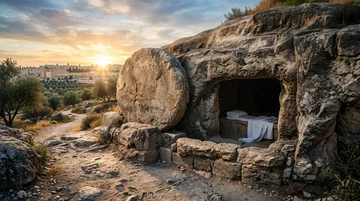
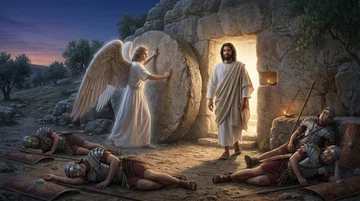
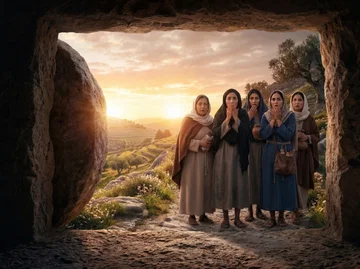
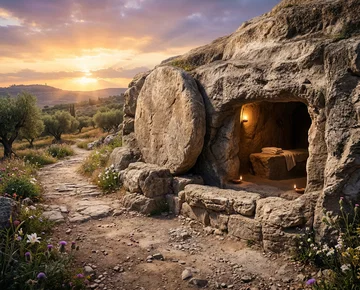
The first day of the week cometh Mary Magdalene early, when it was yet dark, unto the sepulchre, and seeth the stone taken away from the sepulchre.
Translations
The first day of the week comes Mary Magdalene early, when it was yet dark, to the sepulcher, and sees the stone taken away from the sepulcher.
King James Version, KJV Cambridge Paragraph Bible
The first day of the week cometh Mary Magdalene early, when it was yet dark, unto the sepulchre, and seeth the stone taken away from the sepulchre.
The first day of the week cometh Mary Magdalene early, when it was yet dark, to the sepulcher, and seeth the stone taken away from the sepulcher.
Revised Version, American Standard Version
Now on the first day of the week cometh Mary Magdalene early, while it was yet dark, unto the tomb, and seeth the stone taken away from the tomb.
And on the first of the sabbaths, Mary the Magdalene doth come early (there being yet darkness) to the tomb, and she seeth the stone having been taken away out of the tomb,
And on the first [ day] of the week Mary of Magdala comes in early morn to the tomb, while it was still dark, and sees the stone taken away from the tomb.
But, on the first day of the week, Mary the Magdalene, cometh early, while it is yet, dark, unto the tomb,—and beholdeth the stone, already taken away out of the tomb.
Berean Standard Bible, Majority Standard Bible
Early on the first day of the week, while it was still dark, Mary Magdalene went to the tomb and saw that the stone had been removed from the entrance.
Now on the first day of the week, Mary Magdalene went early, while it was still dark, to the tomb, and saw that the stone had been taken away from the tomb.
Now on the first day of the week, very early, while it was still dark, Mary Magdalene came to the place and saw that the stone had been taken away from it.
Nowe the first day of the weeke came Marie Magdalene, early when it was yet darke, vnto the sepulchre, and sawe the stone taken away from the tombe.
Douay-Rheims (Challoner revision)
And on the first day of the week, Mary Magdalen cometh early, when it was yet dark, unto the sepulchre; and she saw the stone taken away from the sepulchre.
Pictures
Cross-references 20 of 72
- Matthew 28:1
In the end of the sabbath, as it began to dawn toward the first day of the week, came Mary Magdalene and the other Mary to see the sepulchre.
Both place the visit to Jesus’ tomb on the first day of the week.
- Luke 24:1-2
Now upon the first day of the week, very early in the morning, they came unto the sepulchre, bringing the spices which they had prepared, and certain others with them.
Both describe the women coming to the tomb early on the first day of the week.
- Mark 16:2
And very early in the morning the first day of the week, they came unto the sepulchre at the rising of the sun.
Both describe the women arriving at the tomb early on the first day of the week.
- John 20:19
Then the same day at evening, being the first day of the week, when the doors were shut where the disciples were assembled for fear of the Jews, came Jesus and stood in the midst, and saith unto them, Peace be unto you.
Jesus appears to the disciples on the first day of the week.
- Mark 16:9
Now when Jesus was risen early the first day of the week, he appeared first to Mary Magdalene, out of whom he had cast seven devils.
Uses “first of the week” for the resurrection day.
- Luke 23:56
And they returned, and prepared spices and ointments; and rested the sabbath day according to the commandment.
The women rested on the Sabbath before visiting the tomb on the first day.
- 1 Corinthians 16:2
Upon the first day of the week let every one of you lay by him in store, as God hath prospered him, that there be no gatherings when I come.
Both use the same Greek expression for the first day of the week.
- Acts 20:7
And upon the first day of the week, when the disciples came together to break bread, Paul preached unto them, ready to depart on the morrow; and continued his speech until midnight.
Both use the same Greek expression for the first day of the week.
- John 20:16
Jesus saith unto her, Mary. She turned herself, and saith unto him, Rabboni; which is to say, Master.
Jesus calls Mary by name, and she recognizes the risen Jesus.
- Mark 16:1
And when the sabbath was past, Mary Magdalene, and Mary the mother of James, and Salome, had bought sweet spices, that they might come and anoint him.
Both describe the women coming to the tomb early on the first day after the Sabbath.
- Luke 24:13-35
And, behold, two of them went that same day to a village called Emmaus, which was from Jerusalem about threescore furlongs.
The Emmaus journey and Jesus’ appearance occur later on the resurrection day.
- John 20:26
And after eight days again his disciples were within, and Thomas with them: then came Jesus, the doors being shut, and stood in the midst, and said, Peace be unto you.
Jesus appeared to the assembled disciples on that day.
- Matthew 28:2-6
And, behold, there was a great earthquake: for the angel of the Lord descended from heaven, and came and rolled back the stone from the door, and sat upon it.
The angel and the sealed tomb accompany Jesus’ rising.
- John 19:31
The Jews therefore, because it was the preparation, that the bodies should not remain upon the cross on the sabbath day, ( for that sabbath day was an high day,) besought Pilate that their legs might be broken, and that they might be taken away.
Identifies the Sabbath preceding the first day after Jesus’ death.
- Luke 23:54
And that day was the preparation, and the sabbath drew on.
Places Jesus’ burial on the preparation day before the Sabbath.
- Luke 24:10
It was Mary Magdalene, and Joanna, and Mary the mother of James, and other women that were with them, which told these things unto the apostles.
Names Mary Magdalene and the other women who reported the tomb.
- John 19:42
There laid they Jesus therefore because of the Jews’ preparation day; for the sepulchre was nigh at hand.
Jesus’ burial on preparation day precedes the first-day visit to the tomb.
- 1 Corinthians 15:20
But now is Christ risen from the dead, and become the firstfruits of them that slept.
Identifies Christ as risen from the dead and the firstfruits of those who sleep.
- Matthew 16:21
From that time forth began Jesus to shew unto his disciples, how that he must go unto Jerusalem, and suffer many things of the elders and chief priests and scribes, and be killed, and be raised again the third day.
Jesus foretold that he would rise on the third day.
- Romans 6:4
Therefore we are buried with him by baptism into death: that like as Christ was raised up from the dead by the glory of the Father, even so we also should walk in newness of life.
Christ’s resurrection is pictured in baptism as rising to new life.
Commentary
Each commentary is drawn from primary sources: the writings of Ellen G. White and Adventist pioneers and periodicals. Each commentary is separate. Its own words are not a quotation; follow the references to read the source passages.
Ellen G. White
23 sources
Mary Magdalene came with the other women very early on the first day of the week, while it was still dark after the Sabbath had passed, bringing spices they had prepared to anoint Jesus' body.DA 788.1EW 149.2–3COS 175.4–176.1 She reached the tomb first, and seeing the stone taken away hurried to tell the disciples, while the other women arriving afterward found the tomb open and empty as the first sign the body was gone.DA 788.13SP 198.2DA 788.4–789.1DA 568.1–2Ms 115, 1897, par. 3 The great stone had been rolled away before dawn as Jesus rose, with a mighty angel bright as lightning sitting upon it, and the women found the guard gone, the burial cloths remaining, and angels declaring that Jesus had risen.3SP 198.2ST Dec 14, 1882EW 153.2–154.1SG1 65.2ST Nov 8, 1883 The disciples had forgotten His repeated promise that He would rise the third day and at first grieved and feared that enemies had taken Him, yet John remembered His words and believed, and the empty tomb with the stone removed together with seeing the risen Jesus establishes the resurrection as an actual victory over death.Ms 155, 1904, par. 1–2Ms 189, 1907, par. 24ST Aug 22, 1878Ms 94, 1897, par. 28–30ST Aug 15, 1878 The verse identifies the day of the resurrection but does not call the first day the Sabbath or a sacred day, nor does the resurrection change the Sabbath from the seventh day to the first or abolish God's law.DA 842.2–8SG1 111.1
Early Morning at Tomb
The visit took place very early on the first day of the week, while it was still dark, after the Sabbath had passed.DA 788.1EW 149.2–3COS 175.4–176.1 While Jesus lay in the tomb the disciples rested through the Sabbath hours.EW 149.2–3 Mary Magdalene arrived at that early hour to find the stone already taken away from the sepulchre, and her coming opens the discovery that Jesus had risen.EW 149.2–3COS 175.4–176.1
She came with the other women, bringing spices they had prepared on the day before the Sabbath to anoint the body of Jesus.DA 788.13SP 198.2ST Dec 14, 1882ST Aug 22, 1878 They came before daylight for that purpose of anointing, and they did not expect Him to rise from the dead.DA 788.1SG1 71.2 As they approached, the earth trembled and the heavens were brightly lit.ST Dec 14, 1882
Mary Magdalene reached the tomb first and saw that its stone had been removed.DA 788.4–789.1DA 568.1–2Ms 115, 1897, par. 3 Upon seeing it she hurried away to tell the disciples.DA 788.4–789.1 The other women arrived afterward, and finding the tomb open was the first sign that the body was no longer there.DA 788.4–789.1Ms 115, 1897, par. 3
Mary had once been controlled by demons and had been brought from despair through Christ's power to become His close learner and servant.DA 568.1–2 She had stood by His cross, had followed Him to the tomb, and was the first to proclaim that He had risen.DA 568.1–2
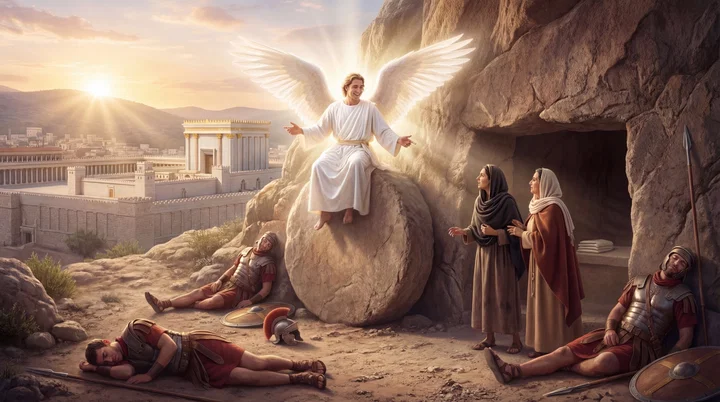
The tomb was Joseph's tomb, with a great stone placed before its entrance.Ms 3, 1890, par. 29–30 That immense stone was taken away before dawn as Jesus rose from the dead.SG1 65.2EW 149.2–3 A mighty angel laid hold of it and rolled it away as if it were a pebble and sat upon it, amid shaking and trembling of the earth, with face bright as lightning for brightness and garments white as snow.SG1 65.2ST Nov 8, 1883
When the women arrived they found the Roman guard gone, light around the tomb, and the tomb empty.3SP 198.2ST Dec 14, 1882ST Aug 22, 1878 The body of Jesus was gone, though the burial cloths remained and were seen in the empty tomb.EW 153.2–154.1Ms 94, 1897, par. 28–30ST Aug 22, 1878 Angels told them that Jesus had risen and directed them to tell His disciples.EW 153.2–154.1
At first the empty tomb brought grief and fear that the enemies of Jesus had taken Him away.SG1 71.2 Mary remained there weeping over the missing body.SG1 71.2 She reported that the body was missing, and Peter and John then came and found the tomb as she had said.ST Aug 22, 1878Ms 94, 1897, par. 28–30 John in his zeal for his Master hastened to the tomb and outpaced the impetuous Peter.ST Aug 22, 1878AA 539.2BS 45.1–3
Resurrection Meaning and Sabbath
The grief over the crucifixion and bewilderment at the violence done to Jesus kept the disciples from grasping His repeated words that He would rise from the dead and that those words would be fulfilled.Ms 155, 1904, par. 1–2 It was hard for His followers to believe He would do exactly what He said He would do, for He had said He would rise the third day, but they had forgotten it, and the comfort His promise should have given was lost because they had forgotten.Ms 155, 1904, par. 1–2Ms 189, 1907, par. 24 John believed Jesus had risen because he remembered Jesus' own words, though the disciples did not yet understand the Old Testament scriptures that foretold Christ's resurrection.ST Aug 22, 1878
The stone had been removed and the body of Jesus was gone because He had risen, and the empty tomb with the witnesses' report establishes the resurrection as an actual event, not a claim based on a stolen body.Ms 94, 1897, par. 28–30ST Aug 15, 1878 The disciples' visit added firsthand evidence, for they saw the burial cloths but did not find His body, and together with seeing and speaking with the risen Jesus this refuted the claim that His body had been stolen.Ms 94, 1897, par. 28–30ST Aug 15, 1878 The opened tomb marked His release from death and victory over it, with the stone removed and the earth shaking as angels came to the tomb.SG1 65.2ST Aug 22, 1878 A form of great glory emerged from the sepulcher while heaven and earth were made vocal with songs of victory and joy, showing that Jesus had risen from the dead.ST Aug 22, 1878ST Nov 8, 1883 Jesus is not still buried but has risen and lives as the Head of the church.Ms 3, 1890, par. 29–30
The Roman guards were stricken powerless, then recovered strength to find the tomb empty, rose in consternation, left overwhelmed by what they had seen and heard, and made their way with haste to the city relating the marvelous scenes to those they met.ST Nov 8, 1883 When summoned and closely questioned they gave a full statement to the priests and rulers, and disciples who had passed a sleepless night heard the wonderful story with mingled hope and fear.ST Nov 8, 1883 In this way the priests and rulers were told that Christ whom they crucified is risen from the dead.ST Nov 8, 1883 The verse identifies the day of the resurrection but does not call it the Sabbath, the Lord's day, or a sacred day, nor teach that it replaces the Sabbath, and it provides no evidence that the first day is holy or should be kept in honor of the resurrection.DA 842.2–8 The resurrection on the first day does not change the Sabbath from the seventh day to the first, for neither His resurrection nor His death was intended to alter or abolish God's law, with the resurrection commemorated through baptism while the Lord's Supper commemorates His death.SG1 111.1
Sources
Pioneers and periodicals
231 sources
Early while it was still dark on the first day of the week Mary Magdalene came to the sepulchre and saw the stone taken away from it.ST Nov 8, 1905 The visit was on Sunday morning after the seventh-day Sabbath which had been kept according to the commandment, the same early visit told in Matthew, Mark and Luke.ST Oct 21, 1886ST Jul 22, 1897 It identifies the first day as the day of Christ's resurrection and the discovery of the empty tomb, the third day by inclusive reckoning after the Friday burial over the Sabbath.RH Apr 1, 1873ST Aug 13, 1912ST Mar 18, 1889ST Jan 28, 1913RH Jan 10, 1871 The Greek means the first day of the week, with mia agreeing with understood day and plural sabbaton used idiomatically for week reckoned Sabbath to Sabbath.RH Dec 17, 1908ST Mar 24, 1887ST Apr 3, 1879 Those who held the opposite taught that it literally reads one of the Sabbaths and calls the first day the Christian Sabbath settling the Sabbath question.ST Mar 24, 1887RH May 31, 1864RH It calls the day only by the ordinary name first day of the week with no sacred title, and gives no command, example or authority making it holy or changing the Sabbath to it.ST Oct 17, 1878RH Jan 17, 1856RH Feb 13, 1872ST Nov 18, 1886ST Mar 18, 1889
Text and Greek Wording
Early on the first day of the week, while it was still dark, Mary Magdalene came to the sepulchre and saw the stone taken away or removed from the sepulchre.ST Nov 8, 1905ST Oct 21, 1886ST Nov 11, 1889 The visit occurred on Sunday morning after the Sabbath, with the women coming with prepared spices and ointments expecting to anoint the body and finding the stone already rolled away before they arrived.ST Nov 8, 1905ST Oct 21, 1886ST Nov 11, 1889 The parallel records add that an angel rolled the stone away and that the women had wondered who would move the stone for them.ST Oct 21, 1886 The account stands with the other Gospel records of the resurrection-morning visit and begins the account of the empty tomb and the announcement of the resurrection, continuing that same first day to the evening when the disciples were assembled behind shut doors for fear of the Jews and Jesus came and stood among them saying Peace be unto you.ST Nov 8, 1905ST Oct 21, 1886ST Sep 6, 1910 It states only the time and circumstances of the visit, identifying the day as the day of the resurrection without calling it holy, sacred, Sabbath, rest day, or appointed for worship or religious obligation.ST Nov 8, 1905ST Oct 21, 1886ST Nov 11, 1889ST Sep 6, 1910
The Greek behind first day of the week uses sabbaton in genitive plural form idiomatically for week, a seven-day period reckoned from Sabbath to Sabbath whose principal day is the Sabbath.RH Dec 17, 1908ST Mar 24, 1887ST Apr 3, 1879RH Oct 23, 1913 The feminine cardinal mia for one agrees with the understood feminine hemeran for day, not with neuter sabbaton, and the phrase means one of the week, correctly translated first day of the week.RH Dec 17, 1908ST Apr 3, 1879RH May 31, 1864RH Oct 23, 1913 This follows the Hebrew and Syriac custom of naming days toward the Sabbath as one, two, three of the Sabbath, so that the seventh day is the Sabbath and Sunday is one of the Sabbath, Monday two of the Sabbath, and so on.RH Dec 17, 1908ST Mar 24, 1887ST Apr 3, 1879RH Oct 23, 1913 The word commonly means a period of seven days when used in this grammatical form after a numeral naming a day, and does not mean that Sunday was the original Sabbath of Eden or the beginning of a new order of Sabbaths.RH Dec 17, 1908ST Mar 24, 1887ST Apr 3, 1879RH Oct 23, 1913
The phrase is a dative of time telling when Mary came, with day understood and week expressed by the plural of Sabbath, and the connective continues the narrative.RH Jan 2, 1900RH Jun 4, 1908RH Jun 20, 1871RHRH Nov 28, 1871 Unlike Luke 24:1 it does not contrast the first day with the preceding Sabbath, but uses the first day in the ordinary sense of the first day within the seven-day week bounded and marked by the Sabbath.RH Jan 2, 1900RH Jun 4, 1908RH Jun 20, 1871 The Greek wording follows the old Semitic way of numbering the first through sixth days as days of the Sabbath or week toward the Sabbath while the seventh day was the Sabbath, a way of speaking that existed before Christ and does not make the first day a Sabbath or a sacred title.RH Jun 4, 1908RH Jun 20, 1871RHRH Jul 24, 1866RH Nov 28, 1871 Here sabbaton can mean rest, the seventh day of the week, or a Jewish or ceremonial Sabbath, but mia being feminine does not agree in gender with sabbaton, while the omitted feminine noun hemera supplies the word that mia modifies.ST Apr 3, 1879RH May 31, 1864RHRH Jul 24, 1866RH Nov 28, 1871 The same wording of first of the week was an ordinary way of naming the first day after the Sabbath, used also for the day Paul broke bread at Troas, so the wording alone cannot establish that either day was a Sabbath or provide evidence that Sunday had become a Sabbath before the resurrection.RH Jan 2, 1900RH Jun 4, 1908RH Jun 20, 1871RH Jul 24, 1866RH Nov 28, 1871
The verse is one of only eight New Testament mentions of the first day of the week, the fifth of the eight and one of six in the Gospels all referring to the same resurrection day.RH Jun 5, 1860ST Jul 22, 1897RH May 1, 1900ST Mar 30, 1888ST Sep 16, 1913 It is one of seven passages where the plural sabbata is translated week, and six of those places simply announce the resurrection.RH Jun 5, 1860ST Jul 22, 1897RH May 1, 1900ST Mar 30, 1888RH Nov 28, 1871 None of the eight call the day sacred, holy, Lord's day, Sabbath, rest day, blessed, sanctified, or commanded to be kept holy, and the day is called simply by the ordinary title first day of the week with no sacred title and no command to observe it as the weekly Sabbath.RH Jun 5, 1860ST Jul 22, 1897ST Mar 30, 1888ST Sep 16, 1913RH Nov 28, 1871 The first day did not come till the Sabbath was past, and the holy women rested on the Sabbath as commanded and then did on the first day work they would not do on the Sabbath, while people on that day did not believe Jesus had risen and therefore did not keep it in honor of his resurrection, and Jesus never mentioned the day.RH Jun 5, 1860ST Jul 22, 1897RH May 1, 1900ST Mar 30, 1888ST Sep 16, 1913
Those who held the opposite teaching held that the Greek literally reads one of the Sabbaths or first of the Sabbaths, te de mia ton sabbaton, using sabbaton meaning rest and the identical word used for the seventh-day Sabbath.ST Mar 24, 1887RH May 31, 1864RHRH Sep 25, 1856RH Mar 15, 1860 On that reading the verse calls the first day by the same term, which signifies rest as certainly for the first day as for the seventh, so the New Testament writers call the first day Sabbath and nothing else.RH May 31, 1864RHRH Sep 25, 1856RH Mar 15, 1860ST May 15, 1884 The wording first of the Sabbaths was taken to claim that the end of the seventh-day Sabbaths coincided with the beginning of a new series of Christ's Sabbaths, marked by the resurrection as the first Sabbath given to humanity and the Christian Sabbath.ST Mar 24, 1887RH May 31, 1864RHRH Sep 25, 1856RH Mar 15, 1860 Written under the guidance of the Holy Ghost with the united testimony of all four Evangelists, this was presented as definitely and most conclusively settling the whole Sabbath controversy, proving the first day is the Sabbath of the Lord so that observing the first day instead of the last does not wear the mark of the beast in the forehead.RH May 31, 1864RHRH Sep 25, 1856RH Mar 15, 1860ST May 15, 1884
Against that, spelling alone does not determine meaning, which depends on lexical meaning and grammatical construction, and the phrase is correctly translated the first day of the week, not the Sabbath.RH Nov 28, 1871ST Apr 10, 1879ST May 15, 1884ST Jan 9, 1879ST May 15, 1884 The proposed Sabbath rendering is rejected as inconsistent because on that reading the first day would already have been a Sabbath before Christ's resurrection and before any act or authority said to have changed the Sabbath.RH Nov 28, 1871ST Apr 10, 1879ST May 15, 1884RH Dec 5, 1871ST May 15, 1884 The seventh-day Sabbath had not yet been abolished when the first day began, so the two alleged Sabbaths would have overlapped, and the day was not so understood by early Christians.RH Nov 28, 1871ST Apr 10, 1879ST May 15, 1884RH Dec 5, 1871ST May 15, 1884 Even faulty Swedish Gospel translations that wrongly rendered the word as Sabbath show the error, and the verse identifies the day as the first day of the week, not the Sabbath.RH Nov 28, 1871ST May 15, 1884ST Jan 9, 1879RH Dec 5, 1871ST May 15, 1884
Timing After the Sabbath
The visit took place on Sunday morning after the Sabbath, on the day after the seventh-day Sabbath which the women had kept according to the commandment.ST Oct 21, 1886ST Jul 22, 1897RH Sep 19, 1854RH Jan 1851 The women had prepared spices and ointments, rested, then came expecting to anoint the body.ST May 17, 1883 The holy women rested on the Sabbath as God commanded and then did on the first day work they would not do on the Sabbath, ready to resume the week's activities.ST Jul 22, 1897RH Sep 19, 1854ST May 17, 1883 The stone had been rolled away before they arrived, and they had wondered who would move it.ST Oct 21, 1886
Darkness means it was not yet fully daylight and the sun had not risen, at daybreak when objects were still hard to see clearly.RH Oct 4, 1864 The first day had already begun before daylight while yet dark, so the Sabbath did not continue until daybreak and the new day began sometime before sunrise.RH Oct 4, 1864RH Dec 15, 1863
The first day runs from Saturday sunset to Sunday sunset, including part of the night following the Sabbath.RH Dec 4, 1855RH Dec 15, 1863 The biblical day begins at sunset, so the visit before daylight was already on the first day distinct from the seventh-day Sabbath and treated as a working day.RH Apr 23, 1861 The verse therefore shows that the first day includes part of the night following the Sabbath rather than beginning at sunrise, and places the resurrection in the night portion of the first day as a full twenty-four-hour period beginning at sunset on the preceding evening.RH Dec 4, 1855RH Dec 12, 1871 The other Gospel accounts place the visit at dawn after the Sabbath had ended and closed.RH Jan 2, 1900RH Apr 23, 1861 Whether the day begins at sunset is not decisively established by this verse with John 20:19 alone, because the evening in John 20:19 may be the first Jewish evening before sunset rather than after sunset.RH Jan 17, 1856
The verse records the same early-morning visit as Matthew, Mark and Luke, in agreement with Mark 16:2 and Luke 24:1 and Mark 16:1.ST Jan 20, 1898 Matthew 28:1 with Greek opse sabbaton meaning after the Sabbath must be read in its light rather than as sundown at the close of the Sabbath.ST Jan 20, 1898 John mentions Mary alone while others name additional women, and Mark says the sun had risen, yet John gives details the others omit without contradicting them.ST Dec 14, 1882ST Jun 8, 1904ST Mar 5, 1912 She arrived before the other women, John recording her coming alone while the other accounts describe the women coming together, and Jesus appeared to Mary afterward with what happened that same first day at evening when the disciples were assembled behind shut doors for fear of the Jews and Jesus came saying Peace be unto you.ST Dec 14, 1882ST Jun 8, 1904
The verse does not state the exact moment of the resurrection or how long he had been gone. He had risen even earlier in the night portion of the first day and was already gone when the resurrection first became known at the visit.RH Feb 13, 1866ST Feb 8, 1905 The resurrection was discovered on that day and is understood to have taken place then, though it does not say he was buried on Friday nor that he was three days and three nights in the grave.ST Feb 8, 1905 Whether they knew the grave was to be guarded until the third day is not stated.
In the crucifixion week this first day followed the sixth day on which Christ was crucified and the weekly Sabbath, coming the day after the Sabbath and not being the seventh day.RH May 7, 1872ST Jun 12, 1879RH Apr 7, 1851 The sequence of crucifixion day now called Good Friday, the Sabbath between, and resurrection on the first day now called Sunday or Easter shows the weekly cycle intact with no loss or change.ST Jun 3, 1908ST Sep 29, 1914 The Gospel resurrection accounts identify the Sabbath as the day just before that first day, with the preceding day as the seventh-day Sabbath kept according to the commandment, so the resurrection day is not the Sabbath commanded for observance.ST Jun 3, 1908RH Feb 5, 1867 Keeping the Sabbath according to the commandment means resting on Saturday, the same day the women with Christ kept.ST Sep 29, 1914
The definite identity of this first day as Sunday, distinct from Saturday so far as Roman time concurs with Bible time, is contrasted with claims that calendar changes make the Sabbath uncertain.RH Dec 26, 1865ST May 15, 1884 Sunday is the first day and the preceding Sabbath is the seventh day, the first day immediately after the Sabbath and the day immediately following it.ST Apr 4, 1906ST Oct 21, 1889ST Apr 15, 1880 Sunday is the first day of the Hebrew week, while the Jewish Sabbath is the true seventh day reckoned from creation. The weekday reckoning in Japan agrees with that in Palestine in Jesus' time, so the first day remains the same worldwide.ST Apr 4, 1906ST Apr 15, 1880
Visit and Empty Tomb
Mary was the first to reach the tomb that morning, arriving ahead of the other women, and though only she is named the plural in her report that the body had been taken and its place was unknown shows others were with her.ST Feb 8, 1899RH Sep 11, 1860 She had set out with the other Mary while it was still dark at daybreak, met or called for Salome on the way, and they came to the grave about sunrise after the Sabbath to perform the last acts of honor and love.ST Feb 8, 1899RH Mar 30, 1916RH Sep 11, 1860 As they drew near they wondered who would move the stone, then saw it already taken away from the door, and Mary concluded it could not have been removed without design to remove the body.ST Aug 22, 1878ST Apr 3, 1901RH Sep 11, 1860 Suspecting the body had been taken, she at once ran to tell Peter and John, leaving the others to go on into the sepulchre, and Peter and John then came and found the tomb as she had said, with the Roman guard gone from his post.ST Aug 22, 1878ST Feb 8, 1899RH Sep 11, 1860 The orderly arrangement of the burial clothes, the shroud and napkin each lying in its place, convinced Peter the body had not been taken by robbers or removed hastily, though he only wondered and was afraid while John believed.ST Aug 22, 1878ST Feb 8, 1899RH Mar 30, 1916
The narrative opens after death and burial, passing over the burial itself and the watch, sealing, and resurrection, and resumes with Mary at the empty tomb after the women went to tell the disciples, having come back again.ST Nov 11, 1908ST Aug 26, 1880ST May 24, 1899 She and the other women had prepared spices before the Sabbath to anoint the body, and coming early before full dawn they found the immense stone rolled away, a light around the tomb, the Roman guard gone, and the tomb empty.ST Dec 14, 1882ST Aug 22, 1878ST Nov 11, 1908ST Aug 26, 1880 Their journey with spices expressed love for him who had risen from Joseph's tomb, and the visit and the news that he had risen brought blessing and comfort to the grieving women, with a message for the disciples.ST Aug 22, 1878ST Nov 11, 1908ST Aug 26, 1880 The Sabbath had already passed and had been rested according to the commandment, so the first day was distinct from the Sabbath.ST Aug 22, 1878ST May 24, 1899
The stone had been removed and the body was gone because he had risen from the dead.ST Aug 15, 1878ST Nov 8, 1883 The empty tomb with an angel and the report of the witnesses establish the resurrection as an actual event and not a tale of a stolen body, and that report of the empty tomb, the angel, and the risen Lord spread widely.ST Aug 15, 1878ST Feb 7, 1911 The immense stone was laid hold of and rolled away as a pebble by an awful messenger from heaven with face like lightning for brightness and garments white as snow, amid shaking and trembling of the earth.ST Dec 14, 1882ST Nov 8, 1883 A form of great glory emerged from the sepulchre while heaven and earth were made vocal with songs of victory and joy.ST Nov 8, 1883 The Roman guards were stricken powerless, then recovered strength to find the tomb empty, rose in consternation, left overwhelmed by what they had seen and heard, hastened to the city telling the marvelous scenes to those they met, and when summoned and closely questioned gave a full statement to the priests and rulers that Christ whom they crucified is risen.ST Nov 8, 1883ST Feb 7, 1911 The women were not permitted to witness the moment of rising, which Roman soldiers alone witnessed in the angel's arrival and the command for the Son to rise, and disciples who had passed a sleepless night heard the wonderful story with mingled hope and fear.ST Nov 8, 1883ST Feb 7, 1911
Peter and the other disciple, understood to be John, ran to the tomb, the other outrunning Peter but waiting outside until Peter entered.ST Aug 22, 1878ST Apr 3, 1901RH Mar 30, 1916 Their failure to believe the women's report is linked to not knowing the Scripture, for the disciples did not yet understand the Old Testament scriptures foretelling the resurrection, though John believed remembering Jesus' own words.ST Aug 22, 1878ST Apr 3, 1901RH Mar 30, 1916 Peter lagged behind feeling untrue and cowardly because of his denial, and saw only cause for wonder and fear.RH Mar 30, 1916 The differences among the Gospel resurrection accounts are left without editorial explanation or harmonizing, showing the unembellished independent character of the records and the writers' confidence in their truthfulness.ST Jun 14, 1877
Mary came out of love and reverence, among the last at the cross and first at the grave, after scarcely sleeping or eating since seeing Christ crucified.ST Apr 25, 1906ST Jul 7, 1898RH Dec 8, 1859 She and the other faithful women came early intending to honor a Friend believed dead, without faith or expectation of finding him alive, and her whole purpose was to find the form of the One she loved.ST Apr 25, 1906ST Mar 23, 1915RH Dec 5, 1865RH Dec 8, 1859 Finding the stone taken away and the tomb open and empty, she lingered weeping, stooped into its gloom and saw two shining ones in robes of snow and gold, yet even the angels did not meet her need.ST Apr 25, 1906ST Jul 7, 1898ST Mar 23, 1915 She mistook Jesus standing nearby for the gardener until he called her by name, then recognized the living Lord, and she who had faithfully followed through ministry and crucifixion carried the news to the unbelieving disciples.ST Apr 18, 1911ST Jul 7, 1898ST Mar 23, 1915 The hymn of her weeping search presents her seeking her Lord who is no longer in the tomb because he has risen, and his resurrection shows death defeated.ST Apr 18, 1911RH Dec 5, 1865
The early hastening to the tomb where the breathless body had been laid found only solitude and gloom and asked who had taken him away, and the tomb revealed Christ risen meeting the eyes.RH Mar 26, 1861RH Sep 4, 1855 Love and reverence lingering there found the tomb bright with angelic presence and with the presence of the one who brought life and immortality to light.RH Mar 26, 1861RH Sep 4, 1855 Mary's grief at the grave turned to joy and consolation upon finding Jesus, a pattern for those who seek him in sorrow and love him though unseen.ST Apr 18, 1911RH Sep 4, 1855 His rising gives the lesson to rise as he rose.RH Mar 26, 1861RH Sep 4, 1855
Resurrection Fact and Hope
The visit early on the first day of the week while it was still dark begins the account of the empty tomb and the announcement of the resurrection, with the moved stone first seen at that visit.ST Aug 23, 1899 That visit stands at the beginning of the resurrection appearances, followed by appearances to disciples at intervals during the forty days before ascension, and the record of what was done and said gives life to every believing soul.RH Aug 31, 1869 The first day of the week is the day of the resurrection and the day the empty tomb was discovered, on no other day in Scripture, and this does not depend on which day the crucifixion occurred, whose exact day is less certain and less essential.RH Apr 1, 1873ST Aug 13, 1912ST Mar 18, 1889ST Aug 17, 1876ST Jun 12, 1879 The day is still called only the first day of the week, not Sabbath or holy day, while the preceding day is still called the Sabbath, and the disciples that day are described as confused and largely unbelieving rather than gathered for worship.ST Aug 13, 1912ST Mar 18, 1889ST Dec 15, 1881 Burial was on Friday with lying in the grave over the Sabbath, and raising on the first day was the third day in the broad inclusive reckoning used by the disciples, fulfilling the prediction of rising on the third day.ST Jan 28, 1913RH Jan 10, 1871
The resurrection in 20:1-18 is grounded in what happened at the grave and in appearances, with empty grave and risen Christ as factual claims whose denial rejects Gospel testimony.ST Apr 8, 1903ST Jan 25, 1905 The tomb had been closed with a great stone and sealed with Roman guards watching, but at the close of night as the first day dawned he rose and came forth conqueror over sin and death.ST Apr 8, 1903ST Feb 8, 1899 The empty space with orderly linen clothes and folded napkin laid by themselves are tokens that the price for sin was accepted, the prisoner discharged, and the pains of death loosed, convincing Peter the body was not hastily stolen by grave robbers though he and John could not yet explain it.ST Feb 8, 1899ST Aug 23, 1899 The empty tomb marks victory over death with death and the grave under his authority, risen triumphant from the guarded sealed tomb, assuring that those who belong to him will also rise by sharing his death and life and showing God's power to save by raising the dead.RH Aug 8, 1907RH Aug 5, 1873 That rising revived the hopes of disciples cast down by the unexpected crucifixion.ST Feb 9, 1882
The opened tomb is the earnest of the future resurrection of all who die in Christ, also picturing rising from sin and receiving pardon through Jesus.ST May 11, 1915 The dawn when he rose from the guarded tomb and went through a garden begins a story spreading across ages to make him known throughout the world, and awakening at dawn to find the stone rolled away marks dawn of hope beyond death with faith's light overcoming death's darkness.RH Jun 4, 1914 In resurrection state he was born of the Spirit and immortalized, able to come and go like the wind, the pattern of what every immortalized saint will be when conversion begun in this life is perfected.RH Sep 15, 1874 This belongs to John's account of the Word who was with God and was God, became flesh, died, was buried and rose, the same person who created all things and came from the Father, not another person.RH Apr 14, 1874 The empty-tomb story itself is not presented as the primary evidence for the resurrection; the Christian church and New Testament are pointed to instead as evidence of the risen Saviour's life and power.RH May 11, 1916
Day Without Sacred Title
The visit is dated to early morning while still dark when the stone was found removed, and nothing is said to make that time sacred, holy, blessed, sanctified, or appointed for worship or religious obligation.ST Nov 8, 1905ST Nov 11, 1889ST Sep 6, 1910ST Feb 15, 1910ST Apr 12, 1883 It is placed among the events of the morning Jesus rose, yet it is told only as time and circumstance of coming to the tomb and finding it open, with no instruction, claim, or indication of holiness or of a changed Sabbath.ST Nov 8, 1905ST Nov 11, 1889ST Sep 6, 1910ST Apr 12, 1883RH Nov 19, 1872 The day is named only by the simple ordinary title first day of the week, without calling it Sabbath, holy, or Lord's day and without identifying it as the Sabbath.RH Feb 13, 1872ST Mar 18, 1889RH Jun 5, 1860ST Sep 20, 1899ST Mar 30, 1882 By contrast the seventh day is given the sacred title Sabbath fifty-nine times in the New Testament, while here and in the other first-day mentions, eight in all with six referring to this same resurrection day, none calls the first day sacred.ST Mar 18, 1889RH Jun 5, 1860ST Sep 20, 1899ST Mar 30, 1882ST May 11, 1904
Even in describing the resurrection event said to have made the day the Lord's day, the name remains only first day of the week, showing the first day is not identified as the Lord's day.RH Feb 13, 1872ST Jan 8, 1885ST Jul 21, 1909ST Jul 19, 1883 In A.D. 97, sixty-six years after the resurrection and after the return from Patmos, the day Jesus rose was still called first day of the week and not called Lord's day or Sabbath, and the resurrection did not change its name.RH Feb 13, 1872ST Jan 8, 1885ST Jul 21, 1909ST Jul 19, 1883 The Gospel was written after Revelation and about the same time as Revelation, which weakens the claim that Lord's day in Revelation means Sunday.RH Nov 7, 1865RH Mar 11, 1862RH Mar 25, 1909RH Jan 23, 1866ST Jan 5, 1882 If Lord's day meant Sunday that name would have been used here, proving Lord's day was not meant to denote the first day and the day was not considered divinely ordained as sacred.RH Nov 7, 1865RH Mar 11, 1862RH Mar 25, 1909RH Jan 23, 1866
The expression first day of the week stands about fifty chapters apart from the expression the Lord's day and has no relation to it, so mention of the first day does not make that day the Lord's day.RH Apr 1, 1873ST Jul 19, 1883 The plain repeated use of this ordinary day-name is evidence the disciples did not regard the first day as holy time, since the writers could have said so directly if they had.RH Apr 1, 1873ST Jul 19, 1883 The visit falls on the day after the Sabbath and shows the first day follows the seventh-day Sabbath, leaving the Sabbath commandment in force after it had been kept according to the commandment.ST May 11, 1904RH Apr 21, 1874RH Jun 23, 1853ST Dec 17, 1894 The Sabbath remains distinct as the last day of the week, the God-given name of the seventh day to which all other days look forward, while the first day is an ordinary, secular, working or business day among the six working days, counted from Saturday sunset to Sunday sunset, with no sacred title, memorial, regulation, prohibition, penalty, or blessing.ST May 11, 1904ST Apr 11, 1906RH Apr 21, 1874RH Jun 23, 1853
That day is called only first day of the week, not a Sabbath or holy day, while the preceding day is still called the Sabbath, distinguishing the seventh day from the first.ST Mar 18, 1889ST Jan 24, 1884RH Apr 1, 1909RH Dec 20, 1864ST Feb 1, 1883 The Greek expression means first day of the week, not a Christian Sabbath, since after a numeral it means week and does not call that day the Sabbath; only the Creator can make a day holy, and Scripture gives that character to the seventh day, not the first.ST Jan 24, 1884RH Apr 1, 1909RH Dec 20, 1864ST Dec 10, 1912 Events occurring on the first day do not make that day the Sabbath, and calling the first day Sabbath or Lord's day has no Bible evidence, nor is there evidence Christ or anyone else observed it as a Sabbath.ST Mar 18, 1889ST Jan 24, 1884ST Feb 1, 1883ST Dec 10, 1912 Recording the resurrection in connection with the first day says nothing about sacredness, honor, observance, abstinence from labor, celebration as the Christian Sabbath, or any change of the Lord's rest-day from the seventh to the first.RH May 12, 1874RH May 12, 1874RH Jun 16, 1874 Its total silence at the very point when the day would have become sacred if the resurrection made it sacred, with no sacred title, no command to keep it, no regulation for observing it, no forbidden work, no penalty, no promised blessing, and no statement of change, makes it a witness against Sunday sacredness instead of a witness for it.RH May 12, 1874RH May 12, 1874RH Jun 16, 1874
No Sabbath Change Authorized
John 20:1 records Mary Magdalene coming to the tomb early on the first day of the week while it was still dark and finding the stone taken away, describing an event at the resurrection but saying nothing about changing the Sabbath from the seventh day to the first, making the first day the Sabbath or holy, appointing it to commemorate the resurrection, or commanding its observance, rest or worship.ST Oct 17, 1878RH Jan 17, 1856ST Feb 27, 1893ST Nov 11, 1875ST Sep 9, 1880 It places the visit and discovery the day after the Sabbath and does not itself state that he rose on the first day, and the visit and discovery do not establish that day as a Sabbath or appointed day.RH Jan 17, 1856ST Feb 27, 1893 It describes the same morning as the other Gospel accounts where women came and the stone was gone, giving no reason to keep the first day holy or as the Sabbath.ST Nov 18, 1886 It is part of the evidence that Jesus rose on the third day as promised, but recording events on that day does not make it a Sabbath or a replacement for the seventh-day Sabbath.ST Sep 9, 1880
The verse describes her visit and the open tomb and gives no instruction or claim that the first day is holy.RH Nov 19, 1872 It contains no command to keep that day holy, and Jesus did not say in connection with his resurrection that the first day was therefore the Sabbath.RH Feb 7, 1916 It speaks of the first day and is one of only eight New Testament mentions of the first day, not calling it a rest day or holy day and giving no divine authority for changing Sabbathkeeping from the seventh day, spoken of fifty-nine times as the weekly Sabbath, to the first day.ST Mar 30, 1888 It is one of the first six texts referring to the same first day on which Jesus rose, not calling that day the Sabbath, a holy day, or the Lord's day, and giving no instruction to observe it as sacred or in memory of the resurrection.ST Oct 14, 1913
The verse does not say the first day was sanctified in honor of the resurrection.ST Mar 16, 1882 It identifies the day and time of her visit but does not state that God sanctified the first day or set it apart for holy use.ST Apr 13, 1882 Its mention of the first day alongside the day of death to show fulfillment of rising on the third day does not establish the day was kept as holy or as a Sabbath.RH Jan 10, 1871 The Greek expression means the first day of the week, not a Christian Sabbath, and the day therefore has no sabbatic character, since only the Creator can make a day holy, and Scripture gives that character to the seventh day, not the first.RH Apr 1, 1909 The Greek word translated week following a numeral does not call that day the Sabbath, contrasting the first day with the seventh-day Sabbath and giving no command or blessing establishing the first day as a holy rest day.RH Dec 20, 1864 Christ's resurrection on Sunday the day after the seventh-day Sabbath is not presented as a Sabbath commandment, with no command requiring its sacred observance and no evidence Christ or the apostles kept or required it.ST Sep 9, 1886
Recording events on that day does not make it a Sabbath or establish it as a replacement for the seventh-day Sabbath.ST Sep 9, 1880 It gives no divine authority for changing Sabbathkeeping from the seventh day, spoken of fifty-nine times as the weekly Sabbath, to the first day, and does not call the first day a rest day or holy day.ST Mar 30, 1888 It records a visit on the first day after the Sabbath had already been kept according to the commandment, leaving the Sabbath commandment in force and giving no sacredness to the first day.ST Dec 17, 1894 His resurrection on that day does not make it the Sabbath or establish sacred observance, with no commandment setting it apart, and the disciples continued to observe the Sabbath as before.ST Feb 8, 1883 The first day was not the Sabbath, the Sabbath had passed and the women had rested on it according to the commandment, after Mary had come back to the tomb after the women went to tell the disciples.ST May 24, 1899 The verse reports the resurrection event and gives the day no sacred title, saying nothing about the disciples keeping that day or holding a religious meeting then and giving no indication it was appointed as a Sabbath.ST Oct 17, 1878
The account states what happened that morning but gives no precept or example establishing the first day as sacred or as a day Christians are morally required to observe.ST Nov 11, 1889 Even if accepted, the first-day timing of the resurrection proves nothing in favor of making Sunday a Sabbath or a day of rest and worship.RH Feb 7, 1871 No commandment sets it apart as sacred observance.ST Feb 8, 1883 It identifies the day as the first day of the week without calling it sacred or establishing it as a Sabbath.RH Sep 18, 1866 It is included among New Testament mentions of the first day and is used as evidence Sunday was a day of activity, not Sabbath rest.ST Jul 30, 1912 It is one of only eight mentions of the first day, one of six simply announcing the resurrection, not calling the first day commemorative, sacred, or sabbatic, not applying the Sabbath law of the Decalogue to Sunday, and giving no command, example, or discussion of changing the Sabbath to Sunday.RH Aug 14, 1868
The verse gives no appointment of Sunday for solemn public worship and no example of the Jerusalem church setting apart the first day for divine worship, furnishing no support for consecration of Sunday to sacred use.RH Mar 18, 1862 It identifies the day Jesus rose but does not show the day was sacred or the disciples gathered for worship then, with the first-day accounts describing the disciples as confused and largely unbelieving and Jesus meeting them only in the evening after the day had passed by Bible reckoning.ST Aug 13, 1912 People did not believe Jesus had risen that day and therefore did not keep it in honor of his resurrection, and Jesus never mentioned the day.RH May 1, 1900 It does not show the apostles changed the Sabbath, since later that day the disciples still had not believed the resurrection and could not have changed the Sabbath on that occasion.ST Dec 15, 1881 It belongs to the account of the day Jesus rose without showing the disciples gathered to celebrate the resurrection or treating the first day as sacred.RH Oct 23, 1856
Mary did not go home and keep the day as Sabbath but with the other women ran to tell the disciples. The verse belongs to the record of the one first day on which Christ met his disciples after resurrection, the seventh day before it being the Sabbath.ST Jun 18, 1894 The first meeting of Jesus with his disciples after the resurrection took place that same day, Mary having come early while still dark and found the stone removed.ST Aug 27, 1885 The Sabbath was the seventh day immediately before it, and the disciples' activity after the resurrection on the first day shows they treated it as an ordinary business day, not as a Sabbath.ST Dec 28, 1876 The first day is an ordinary working day, not a Sabbath, called only the first day of the week as the Creator named the days in the beginning, among the six working days, and though Jesus rose that day the verse gives no sacred title and makes it no memorial of redemption, the evening gathering that same first day being not worship in honor of the resurrection but eating at home together in the common dwelling without believing he had risen.ST Jun 6, 1900 Mary was the first person to whom Christ presented himself, but this gives no support for treating the first day as sacred or as the Sabbath.RH Nov 19, 1872
John writing sixty-six years after the crucifixion by inspiration still called the resurrection day only by the common term the first day of the week and the day just before it the Sabbath, while Christ never named the first day, never said to remember it, never observed it as holy, never taught others to do so, and his apostles did not so teach.ST Nov 12, 1894 The claim that this day had thereafter always been a day of rest and worship for his disciples and that Christ blessed its observance needs proof and does not establish that the first day replaced the Sabbath.RH Jan 8, 1867 The verse gives no command of God to change the Sabbath from the seventh day to the first, no example of Christ keeping the first day, no mention by Christ of the day, no reference to a change, and no apostolic example of such change.RH Nov 30, 1916
The verse is used to claim the Sabbath was changed from the seventh day to the first in memory of Christ rising that day and Sunday kept to commemorate it, but it gives no command for such change and only tells of the visit, while Luke shows the women rested the Sabbath according to the commandment and then very early on the first day came to do work they would not do on the seventh.ST May 17, 1883 The resurrection's occurrence on the first day is a claim Sunday-keepers use for Sunday observance, though the verse itself does not establish a Sabbath obligation.RH Oct 4, 1864 That resurrection is given as the reason some claim Sunday should be observed as sacred and as the reason the Sabbath was changed from the seventh to the first.RH Apr 28, 1859 It marks the first day as when the resurrection was first known, though this does not settle the Sabbath question, the discovery coming when Mary came early while still dark and saw the stone removed.RH Oct 4, 1864 The resurrection first known on the first day when the joyful morning proclaimed he was risen would have made it fitting to commemorate the resurrection if God had appointed a day for that purpose, even if he had risen the day before, but it does not make the first day the Sabbath, baptism being the divine institution appointed to commemorate the resurrection.RH Oct 4, 1864
The verse identifies the first day with Christ's resurrection completing redemption without giving a command to keep that day holy.RH Jun 12, 1856 The fact Christ rose on Sunday does not establish Sunday as the Sabbath or create obligation to keep it, Sunday observance in the Catholic claim grounding in church authority, not the Bible.RH Oct 4, 1864 The resurrection occurring on the first day does not suggest the Sabbath was changed from the seventh day.ST Jan 27, 1904 Calvin is said not to identify the day in this resurrection account as sacred or as establishing a change of the Sabbath.ST Oct 26, 1882 The first-day events at the resurrection do not establish that the Sabbath was changed, the disciples' actions showing no change to the Sabbath commandment.RH Sep 12, 1854 It is one of the Gospel accounts examined to determine what happened that day without saying the first day became sacred or the Sabbath was changed.RH May 5, 1863 It establishes the tomb found empty on the day Jesus had risen without itself stating the Sabbath was transferred to the first day.ST Jan 1, 1894
Mary coming early while yet dark, seeing the stone taken away, then running to Peter and the other disciple to say the Lord had been taken away is historical description naming the first day but saying nothing about that day as the Christian Sabbath, not declaring or implying a change from seventh to first, not calling the first day holy or Sabbath, not enjoining abstinence from labor, and not intimating sanctification of the resurrection day at the very point where Sunday would have become sacred if changed to commemorate the resurrection.RH May 12, 1874 The verse is appealed to as proof the first day ought to be kept as the Christian Sabbath but contains no such proof, Sunday's identity as the first day and very day of resurrection being accepted without doubt while observance is defended, and questioning which day is which only following failure to prove Sunday sacredness.ST Apr 17, 1884
History Claims and Application
The mention of that day alongside the corresponding accounts in the other Gospels shows the first day had become a notably regarded day among Christians by the time the Gospel histories were written, and its later recognition as resurrection day made it a rival to the Sabbath, though the verse commands no observance.RH Apr 1, 1873ST Oct 24, 1911 The first day is associated with the resurrection and honored as the Lord's day because of that belief, with observance voluntary and not commanded by Scripture, and it is presented as the reason Christians assembled for worship and as the day Christ rested from redemption, the belief that Christ rose that day resting on continuing widespread understanding that the word of God so represents it.ST Jan 5, 1882RH Sep 26, 1854RH Sep 13, 1853RH Feb 6, 1866 The resurrection's first-day timing is cited as the reason some early Christians celebrated Sunday as a festival, set it apart in honor of the resurrection, observed it weekly to commemorate it, and substituted it as the Sabbath, Christians commemorating the resurrection on that weekly day when it arrives in their own location, and in the discussion the day is treated as a festival honoring the resurrection, not as a replacement for the weekly Sabbath.ST Oct 21, 1880RH Apr 28, 1853RH Sep 26, 1912RH Apr 28, 1853ST Jul 12, 1899 The same timing is given for keeping the first day as the day Christ rose, not as the Sabbath which belongs to Israel, with weekly observance from then on to commemorate the resurrection.RH May 3, 1864
The resurrection is given as a reason Christians observed the first day, which is also associated with God's creation of the world, the first day celebrating the close of the spiritual creation in contrast with the last day's close of the physical creation.ST Mar 22, 1883RH May 13, 1873 The fact Jesus rose that day was used to connect first-day observance with Christianity, Gentile Christians who had formerly worshiped the sun adopting Sunday as a Christian festival, Christ having risen the first day following the Jewish seventh-day Sabbath, and shortly after professed Christians adopting that first day, the heathen sun festival, professing to honor the resurrection and calling it the Christian Sabbath, the same first day still following the Jewish Sabbath in every part of the world.ST Jul 1, 1886ST Jan 15, 1885 The verse connects the day with the Lord's resurrection and is identified by some as the day Christians called the Lord's day, while others hold the first day was not called Lord's day in the early church until the apostasy was well underway a century after John, John writing his Gospel about the same time as Revelation and calling the day only first day of the week.RH May 13, 1873ST Oct 24, 1895 The resurrection discovered the first day is offered as a reason one might choose that day to remember the Lord, but with no command to set it apart, hallowing resting on custom and practical considerations, and the apostles did not establish Sunday observance by command or transfer the Sabbath's law to it.RH Jan 17, 1865ST Dec 11, 1879
The verse supports that Christ rose on Sunday, but the Catholic claim described grounds Sunday observance in church authority, not the Bible, and a later meeting on a fishing occasion when he gave success may have taken place on the first day, so it provides no evidence for Sunday observance.ST Feb 17, 1890RH Oct 4, 1864 The first day was also called the day of the sun, a name absent from Scripture coming from ancient heathen dedication to the sun and its worship, Constantine's edict requiring its observance without naming it as the day of Christ's resurrection or giving a Christian reason, and the first day named has no authentic mention in church history before Justin Martyr writing at Rome in A.D. 140.ST Apr 29, 1913ST Aug 16, 1883 The attempt to trace first-day observance by tradition back to the apostles rests on invented witnesses, beginning with a fraud in an epistle falsely bearing Barnabas's name claiming observance of the eighth day because Jesus arose then, proved false by its claim the hyena changes sex yearly and by testimony Barnabas never wrote it.ST Aug 16, 1883 The verse is connected to the claim Jesus rose on the first day after the Sabbath, also called the eighth day in a repeating seven, with Justin using eighth-day circumcision as a type of spiritual cleansing from deceit and iniquity, and this is rejected as proof because circumcision on the eighth day could fall on any weekday including the Sabbath and does not make the first day sacred or undermine the Sabbath.RH Aug 19, 1873
The verse is cited as showing Jesus rose the first day, treated as basis for calling it the eighth day in an early Christian statement, but it does not establish the day was called Lord's day, observed as Sabbath, or regarded as holy.RH May 13, 1873 According to one position, the King James Version supplies the words the first day of the week though absent from the original, and the mention of the first day is no evidence God changed the Sabbath, Sunday being observed as a festival commemorating the resurrection.RH Apr 28, 1859 The verse means the first day of the week itself, not some other day, the language plain and literal just as God sanctified the seventh day means the seventh day itself, refuting claims that Sunday was the original seventh-day Sabbath or the genuine seventh day, since the evangelists call Sunday the first day not the seventh-day Sabbath on which God rested, conflicting with calling Sunday the seventh day in a reckoning beginning with creation and with Dr. Akers's reckoning making the resurrection day the genuine seventh day.ST Jun 19, 1879ST Jun 19, 1879ST May 8, 1879ST Jul 31, 1879ST Jun 19, 1879 The New Testament numbering of the days makes the proposed order false where the present week begins with the seventh day of the original week and ends with its sixth, and the first day of unleavened bread was a yearly sabbath fixed by the month, not a weekly day, and does not change which day was the first day of the week.ST Jul 31, 1879
The verse does not support changing the reckoning of time, the Sabbath according to the commandments being the day before, and the fourth commandment is not thereby made to enforce a new seventh day counted from the resurrection, since it specifies the seventh day from creation, not merely one day in seven.ST Sep 9, 1886ST Nov 30, 1882 Counted from creation on one chronology as the 2,035,369th day and therefore the 290,767th week, this resurrection Sunday is reckoned as the seventh day from creation, Dr. Akers dating it to Sunday, March 28, A.D. 28, while if the Sabbath had been Thursday with crucifixion Wednesday he would have been in the tomb part of five days and two weekly Sabbaths abolished, making God's law contradictory.ST Jun 12, 1879RH Mar 23, 1869ST Jun 12, 1879 The verse is one of the New Testament mentions of the first day used in an argument identifying God's rest day from creation with the New Testament first day, an identification challenged by contrasting the first day with the seventh day of the original week, the verse identifying Sunday as the first day, not the seventh, and recording the resurrection on that day, which does not make it the Sabbath.ST Apr 24, 1879ST Jul 15, 1913
The verse is one of the passages cited for Sunday observance, identifying Sunday as the first day also identifying Saturday as the seventh day, but it is one of eight references recording the resurrection morning without calling the first day the Sabbath or presenting it as replacing the seventh-day Sabbath.ST Feb 16, 1882ST Jun 17, 1889RH Jun 11, 1872 The resurrection occurred on a different day from the Sabbath which commemorates creation, and Christ's appearances showed he was alive rather than establishing the day as holy, Mary coming early and finding the stone taken marking Christ's rest from toil and anguish completed in resurrection, which is not the antitype of the Sabbath and does not fix the Sabbath to the first day, since the Sabbath was instituted before the fall before any type of redemption could exist.ST Aug 6, 1912ST Sep 16, 1930RH Oct 20, 1874 If it were such a type, the type would cease when the antitype was reached, leaving no Sabbath at all, and no sacred writer tells of Christ or the apostles making such a change under the Holy Spirit, so if Christ's rest had already fixed it there would have been no need or place for the apostles to change it afterward.ST Apr 8, 1889RH Oct 20, 1874 The verse is associated with the resurrection day, with some claiming love alone led disciples to observe it as rest and worship, challenged as lacking command, the verse being relevant to the claim the first day became a Sabbath commemorating the resurrection, treated as inference rather than proof that God blessed it.ST Mar 3, 1898ST Aug 8, 1878
The first day is distinct from the Sabbath, calling it the day of the Lord's resurrection not making it a Sabbath, with no claim work on it is sinful, the verse placing the visit on the first day Christians keep honoring the resurrection, and keepers worldwide traveling both ways keep the same first day without difficulty, so roundness of the earth no more prevents keeping the seventh day than the first, the earth not being round on Saturday and flat on Sunday.RH May 27, 1873RH Apr 8, 1875 The verse is cited as part of the claim that the Gospels call the first day a Sabbath at the resurrection, examined as an argument about sabbaton, the Greek word for week meaning a seven-day period, and after a numeral meaning week, so the phrase means first day of the week, not a new series of Sabbaths, appearing after the resurrection without commanding that day as sacred.RH Jan 23, 1866RH Dec 5, 1871 The verse shows Mary Magdalene honored as the first witness of the resurrection, an example of mercy receiving and saving those who rely on Christ, she being the first person to whom Christ presented himself, but this gives no support for treating the first day as sacred or as the Sabbath.RH Nov 19, 1872ST Mar 7, 1878 The verse shows Mary's faithful devotion in coming first to the tomb early while still dark and finding the stone moved away, the stone sepulchre where the Lord of life rested left empty and not to be made the object of Christian quest, while the verse supplies the setting for the Easter-morning search without saying he had been stolen.ST Feb 10, 1881ST Oct 24, 1895RH Jan 20, 1910
The verse is recalled through the image of awakening at dawn to find the stone rolled away, the empty tomb marking dawn of hope beyond death, with faith's light overcoming death's darkness, and the verse marking the resurrection day later commemorated by Western churches on the Sunday following the fourteenth of Nisan.RH Jun 4, 1914RH Apr 2, 1914 The verse gives no command for a Sunday sabbath and no divine example of Sunday keeping, far from proving a first-day sabbath disproving it, though it records meetings of Jesus with his disciples on the first day.ST Oct 21, 1897
Sources