1 Corinthians 11:26
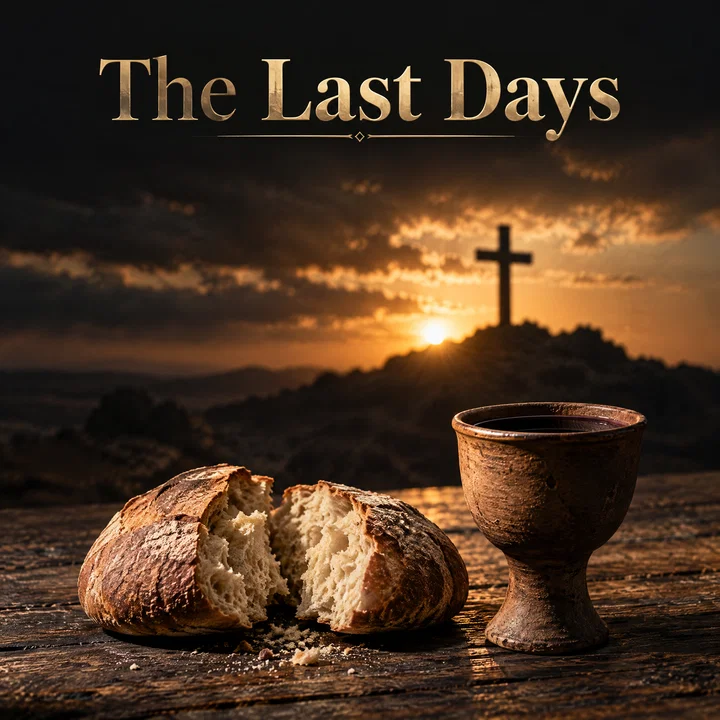
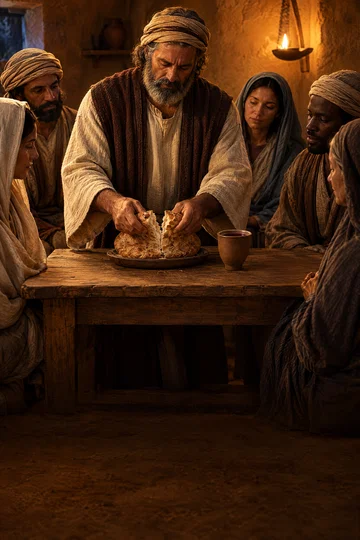
For as often as ye eat this bread, and drink this cup, ye do shew the Lord’s death till he come.
Translations
For as often as you eat this bread, and drink this cup, you do show the Lord’s death till he come.
King James Version, KJV Cambridge Paragraph Bible
For as often as ye eat this bread, and drink this cup, ye do shew the Lord’s death till he come.
For as often as ye eat this bread, and drink this cup, ye do show the Lord's death till he shall come.
Revised Version, American Standard Version
For as often as ye eat this bread, and drink the cup, ye proclaim the Lord’ s death till he come.
for as often as ye may eat this bread, and this cup may drink, the death of the Lord ye do shew forth — till he may come;
For as often as ye shall eat this bread, and drink the cup, ye announce the death of the Lord, until he come.
For, as often as ye may be eating this loaf, and, the cup, may be drinking, The death of the Lord, do ye announce, until he come.
Berean Standard Bible, Majority Standard Bible
For as often as you eat this bread and drink this cup, you proclaim the Lord’ s death until He comes.
For as often as you eat this bread and drink this cup, you proclaim the Lord’ s death until he comes.
For whenever you take the bread and the cup you give witness to the Lord's death till he comes.
For as often as ye shall eate this bread, and drinke this cup, ye shewe the Lords death till hee come.
Douay-Rheims (Challoner revision)
For as often as you shall eat this bread, and drink the chalice, you shall shew the death of the Lord, until he come.
Pictures
Cross-references 20 of 77
- Matthew 26:26-29
And as they were eating, Jesus took bread, and blessed it, and brake it, and gave it to the disciples, and said, Take, eat; this is my body.
Christ institutes the supper on the night he is betrayed.
- Luke 22:19-20
And he took bread, and gave thanks, and brake it, and gave unto them, saying, This is my body which is given for you: this do in remembrance of me.
Jesus institutes the bread and cup as memorials of his body and blood.
- Acts 20:7
And upon the first day of the week, when the disciples came together to break bread, Paul preached unto them, ready to depart on the morrow; and continued his speech until midnight.
The disciples gathered on the first day of the week to break bread.
- Exodus 12:14
And this day shall be unto you for a memorial; and ye shall keep it a feast to the LORD throughout your generations; ye shall keep it a feast by an ordinance for ever.
The Passover memorial of Israel’s deliverance is compared with the Lord’s Supper.
- Mark 14:22-25
And as they did eat, Jesus took bread, and blessed, and brake it, and gave to them, and said, Take, eat: this is my body.
Jesus institutes the bread and cup, identifying them with his body and blood and anticipating the kingdom.
- Matthew 26:29
But I say unto you, I will not drink henceforth of this fruit of the vine, until that day when I drink it new with you in my Father’s kingdom.
Jesus promises to share the cup anew with his disciples in his Father’s kingdom.
- John 13:1-17
Now before the feast of the passover, when Jesus knew that his hour was come that he should depart out of this world unto the Father, having loved his own which were in the world, he loved them unto the end.
Foot washing and the Lord’s Supper are observed together, with humble service preceding the emblems.
- 1 Corinthians 10:16-17
The cup of blessing which we bless, is it not the communion of the blood of Christ? The bread which we break, is it not the communion of the body of Christ?
The bread and cup express participation in Christ and unity among believers.
- 1 Corinthians 5:7
Purge out therefore the old leaven, that ye may be a new lump, as ye are unleavened. For even Christ our passover is sacrificed for us:
Christ is identified as the Passover Lamb whose sacrifice the Supper commemorates.
- John 1:29
The next day John seeth Jesus coming unto him, and saith, Behold the Lamb of God, which taketh away the sin of the world.
Jesus is the Lamb of God whose death takes away sin, remembered in the communion emblems.
- Ephesians 1:7
In whom we have redemption through his blood, the forgiveness of sins, according to the riches of his grace;
Redemption through Christ’s blood is commemorated in the Lord’s Supper.
- John 14:3
And if I go and prepare a place for you, I will come again, and receive you unto myself; that where I am, there ye may be also.
Jesus promises to return and receive his followers, the hope commemorated at communion.
- John 6:53-56
Then Jesus said unto them, Verily, verily, I say unto you, Except ye eat the flesh of the Son of man, and drink his blood, ye have no life in you.
Eating Christ’s flesh and drinking his blood signify receiving his life.
- 1 Corinthians 11:20-22
When ye come together therefore into one place, this is not to eat the Lord’s supper.
The Corinthians’ disorderly meal turns the Lord’s Supper into an ordinary feast.
- 1 Corinthians 15:1-4
Moreover, brethren, I declare unto you the gospel which I preached unto you, which also ye have received, and wherein ye stand;
death is core Gospel fact the memorial proclaims
- Hebrews 10:4
For it is not possible that the blood of bulls and of goats should take away sins.
Animal blood cannot take away sin, unlike Christ’s once-for-all sacrifice remembered at the supper.
- Hebrews 9:12
Neither by the blood of goats and calves, but by his own blood he entered in once into the holy place, having obtained eternal redemption for us.
Christ’s blood secures redemption through his once-for-all sacrifice.
- Acts 2:42-46
And they continued stedfastly in the apostles’ doctrine and fellowship, and in breaking of bread, and in prayers.
The Jerusalem church broke bread daily.
- 1 Peter 1:19
But with the precious blood of Christ, as of a lamb without blemish and without spot:
Christ’s precious blood is the sacrifice commemorated in the Supper.
- Exodus 12:11
And thus shall ye eat it; with your loins girded, your shoes on your feet, and your staff in your hand; and ye shall eat it in haste: it is the LORD’s passover.
Both are fitting memorials; the Passover lamb points forward to Christ’s death.
Commentary part 1 of 2
Each commentary is drawn from primary sources: the writings of Ellen G. White and Adventist pioneers and periodicals. Each commentary is separate. Its own words are not a quotation; follow the references to read the source passages.
Ellen G. White
52 sources
As often as believers eat the bread and drink the cup they proclaim the Lord's death, continuing to do so until He comes.SLP 171.2Ms 35, 1897, par. 26–28DA 652.1–2 The bread stands for His broken body given for the world's salvation and the cup for His shed blood that cleanses from sin, kept as a memorial of that sacrifice for the sins of the world.3SP 204.2ST Dec 23, 1908COS 109.4–76RED 22.2–3ST Aug 22, 1878 To eat and drink is to spiritually receive Christ by faith, taking in His words, obeying them, doing His will daily, and becoming one with Him.Ms 25, 1897, par. 13–16Ms 19, 1897, par. 18–19ST Apr 9, 1912 Instituted on the night before His crucifixion in place of the Passover fulfilled in Him as the spotless Lamb, the Supper is to be celebrated often to keep His betrayal, suffering, and cleansing blood fresh before believers until He comes again in power and glory.ST Mar 25, 1880DA 652.3ST Mar 25, 1880ST Mar 25, 1880SG3 225.1 It keeps the hope of His return vivid, and it does not turn the bread and wine into His actual body and blood but calls for worthy, humble partaking with discernment of His body.SLP 171.2DA 659.3–660.1ST Dec 23, 19084SP 63.1GC 59.2
Bread and Cup Explained
The bread is the symbol of Christ's body broken and given for the salvation of the world, and the cup or wine is the symbol of His blood shed and spilled to cleanse from sin all who come to Him for pardon and receive Him as Saviour.ST Dec 23, 1908COS 109.4–76RED 22.2–3ST Mar 25, 1880SG3 227.2 Eating that bread and drinking that cup is a memorial of His body broken and His blood shed for the sins of the world, proclaiming His death until He comes while believers await His return.ST Dec 23, 1908COS 109.4–76RED 22.2–3ST Aug 22, 1878 The sharing keeps His betrayal and crucifixion for the world's sins fresh in mind and keeps before believers their continual dependence on His cleansing blood for salvation.ST Mar 25, 1880SG3 227.2 To receive the emblems is to show belief in the sacrifice on the cross, repentance for sin, and acceptance of Christ as personal Saviour, and His sacrifice so remembered makes reconciliation with God possible and is the center of hope that lets believers look with joy to His second coming.ST Dec 23, 1908COS 109.4–7
The emblems are to be unleavened bread and pure, unfermented grape juice representing His broken body and spilled blood.Ms 35, 1897, par. 21Ms 22, 1898, par. 36–40 Fermented wine would spoil the figure of Christ's blood.Ms 22, 1898, par. 36–40 The wine used at the Passover, which the ordinance echoes, was pure grape juice, not fermented.RH Nov 4, 1902
The sacred rite of the cup proclaims His death until He comes again.DA 148.4–149.2 The cup also symbolizes His work to save humanity.DA 148.4–149.2 It carries His promise to share anew the fruit of the vine with His disciples in His Father's kingdom, comforting them with the hope of reunion.DA 148.4–149.2
To eat the bread and drink the cup is in a spiritual sense to eat His flesh and drink His blood by receiving Christ by faith.Ms 25, 1897, par. 13–16ST Apr 9, 1912Ms 35, 1897, par. 24–25 It means receiving His words, obeying them, daily receiving His Word and doing His will as the bread of life that satisfies the soul, and becoming one with Him in spiritual life, so that feeding on Christ is necessary for communion with Him and the communion service is a meeting with Jesus.Ms 25, 1897, par. 13–16Ms 19, 1897, par. 18–19Ms 35, 1897, par. 24–25 The Holy Spirit helps the mind grasp and understand the truths these symbols convey, keeping His crucifixion before the believer's mind when the service is celebrated in spirit and truth.Ms 25, 1897, par. 13–16ST Apr 9, 1912
The symbols declare Christ as the sin-bearer who became sin for us that we might become the righteousness of God in Him.Ms 14, 1895, par. 1–2 Sharing the bread and wine keeps in view the infinite sacrifice made for each person as part of fallen humanity.DA 656.5 The sacrament points to the new covenant ratified by His blood, through which all who receive Christ become children of God and joint heirs with Him, with heaven's blessings for this life and the life to come.DA 656.5
Passover Fulfilled and Replaced
Christ instituted the Supper on the night before His crucifixion, on the night He ate the Passover with His disciples, leaving it as a memorial of His crucifixion and death.ST Mar 25, 1880SG3 225.1 The Passover had looked back to Israel's deliverance from Egypt and forward as a type of Christ, the unblemished Lamb of God, whose death brings redemption, and its type was fulfilled when Christ died.ST Mar 25, 1880SG3 225.1 The Supper replaced the Passover after that type reached its fulfillment in Christ, the spotless Lamb of God, whose death redeems fallen humanity.ST Mar 25, 1880SG3 225.11SP 201.1
Like the Passover, the Supper keeps the great deliverance accomplished through Christ's death fresh in the minds of those who observe it.DA 652.3RH Nov 4, 1902 Israel's deliverance from Egyptian bondage was a type of the atonement made by Christ's sacrifice and of the final redemption and deliverance of His people.ST Mar 25, 1880SG3 228.11SP 202.2–203.2 The Passover meal was first eaten hurriedly to suit Israel's departure, and later reclining to suit changed circumstances.RH Nov 4, 1902 Instituted in place of the Passover, the Supper is to be observed by Christ's followers in every land and through the ages until His return.DA 652.1–2
Unlike the annual Passover, the Supper is to be celebrated often so that Christ's betrayal and crucifixion for the sins of the world are kept fresh in memory.ST Mar 25, 1880SG3 227.21SP 202.2–203.2 Its frequent observance keeps the cleansing blood of Christ continually before believers, because salvation depends on its continuing application to their hearts and their continual dependence on His blood for salvation.ST Mar 25, 1880ST Mar 25, 1880SG3 227.2SG3 228.11SP 202.2–203.2 Participation is to be often in remembrance of His sacrifice of His life for the remission of the sins of all who believe and receive Him.Ms 35, 1897, par. 8 The teaching rejects the claim that the Supper continues the Passover and must be observed only once a year, and gives no further rule about how often the ordinance is to be observed.SG2 97.2–98.1
Memorial Proclaiming Christ's Death
Every eating of the bread and drinking of the cup proclaims the Lord's death, and this proclamation continues with each observance until He comes.SLP 171.2Ms 35, 1897, par. 26–28DA 652.1–2DA 659.3–660.1ST Dec 23, 1908 The sacrament is done in remembrance of that death and keeps the sacrifice made for believers before them.Ms 35, 1897, par. 26–28ST Dec 23, 1908Ms 19, 1897, par. 50–53 It is a sacred memorial of the infinite sacrifice for the world and for each person, with His body given for sin and His suffering and death represented in the bread and wine.SLP 171.2DA 652.1–2Ms 19, 1897, par. 50–53 Partaking with spiritual understanding recalls the painful events surrounding His final communion with the disciples, including His agony in Gethsemane and the abuse He endured.Ms 19, 1897, par. 50–53
The Supper is a memorial of Christ's body given and broken and His blood shed and spilled for the sins of the world, observed in expectation of His coming and return.3SP 204.26RED 22.2–3ST Aug 22, 1878ST Dec 14, 1882 The bread recalls His broken body and the cup His spilled blood.ST Dec 14, 1882 The observance keeps the memory of His love and sacrifice alive until He comes again.Ms 35, 1897, par. 26–28ST Dec 23, 1908 It keeps the scenes of His suffering and death fresh in mind, bringing them freshly before believers through the broken bread and fruit of the vine.EW 181.1–2SG1 112.1–2SCEV 18.2–19.1 Administering these emblems of His broken body and shed blood keeps the saints' memory of the crucified Saviour's suffering and death fresh.EW 181.1–2SG1 112.1–2SCEV 18.2–19.1
Its observance keeps the cleansing blood of Christ continually before believers and points to the atonement made by His sacrifice, because salvation depends on its continuing application to their hearts.ST Mar 25, 1880ST Mar 25, 1880SG3 227.2SG3 228.11SP 202.2–203.2 It is to be celebrated often so that followers keep His betrayal and crucifixion for the world's sins fresh in mind and recognize their continual dependence on His blood for salvation.ST Mar 25, 1880SG3 227.21SP 202.2–203.2 Unlike the annual Passover, it was to be observed more frequently because it commemorates His atonement, which brings the final deliverance of His people, of which Israel's deliverance from Egypt was a type.ST Mar 25, 1880SG3 227.2SG3 228.11SP 202.2–203.2 The broken bread symbolizes His body given for the world's salvation, and the wine symbolizes His blood shed to cleanse from sin those who come to Him for pardon and receive Him as Saviour.ST Mar 25, 1880SG3 227.21SP 202.2–203.2
Receiving the bread and wine, which represent His body broken and blood shed on the cross to save people, shows belief in this sacrifice, repentance for sin, and acceptance of Christ as Saviour.COS 109.4–7Ms 35, 1897, par. 8 The Supper is to be commemorated often to remember His sacrifice of His life for the remission of the sins of all who believe and receive Him.Ms 35, 1897, par. 8 Participation is not to be restricted, but each person is to take part publicly as a witness of accepting Christ as a personal Saviour who gave His life to rescue that person from death.COS 109.4–7Ms 35, 1897, par. 8 The ordinance awakens conscience, recalls its lessons, convicts of sin, and calls participants away from pride, disunity, and strife, directing disciples to Him as the offering for the world's sins.Ms 19, 1897, par. 18–19 Eating His body and drinking His blood also means daily receiving His Word and doing His will, the bread of life that satisfies the soul.Ms 19, 1897, par. 18–19
Hope Until He Comes
Sharing the bread and cup commemorates the death of the Lord and keeps the hope of His return vivid.DA 659.3–660.1ST Dec 23, 1908 The bread and wine stand for His broken body and shed blood, and that sacrifice makes reconciliation with God possible.ST Dec 23, 1908 Because of what was accomplished by that death, believers may look with joy to His second coming.DA 659.3–660.1ST Dec 23, 1908 That death is the center of their hope, and the service keeps His love and death fresh in memory.DA 659.3–660.1ST Dec 23, 1908
The Supper is a memorial of His body given and His blood shed for the sins of the world.3SP 204.26RED 22.2–3 Those who eat the bread and drink the cup proclaim His death while awaiting His return.6RED 22.2–3 It is observed in expectation of His coming.3SP 204.26RED 22.2–3 The broken bread and the fruit of the vine bring the scenes of His suffering and death freshly to mind, and keep them fresh until He comes.EW 181.1–2SG1 112.1–2
It commemorates the great deliverance accomplished through His death and keeps that deliverance and His work for humanity fresh in the minds of those who observe it.DA 652.3RH Nov 4, 1902 It is to be celebrated until He comes again in power and glory.DA 652.3RH Nov 4, 1902 Like the Passover, which commemorated Israel's deliverance from Egyptian bondage, it keeps that deliverance in remembrance.RH Nov 4, 1902 The Passover meal was first eaten in haste to suit departure, and later eaten reclining to suit changed circumstances, and the wine used was pure grape juice, not fermented.RH Nov 4, 1902
Error About Ordinance Corrected
The Lord's Supper is a scriptural ordinance in which eating bread and drinking the cup proclaim the Lord's death until He comes.4SP 63.1GC 59.2GC88 59.2 It does not teach that the bread and wine become Christ's actual body and blood.4SP 63.1GC 59.2GC88 59.2 This ordinance stands in contrast to the mass, in which priests claim to turn bread and wine into Christ's actual body and blood.GC 59.2GC88 59.2 The mass is an idolatrous sacrifice that had replaced the scriptural ordinance.GC 59.2GC88 59.2
Observing the Ordinance Worthily
The Supper is a sacred ordinance, not a feast for selfish enjoyment, and it must be received worthily with discernment of the Lord's body, since unworthy participation brings guilt and condemnation.SLP 171.2 The communion service follows foot washing, which comes first to prepare believers to receive the emblems.DA 650.2–3Ms 8, 1897, par. 10Ms 19, 1892, par. 62Ms 5, 1859, par. 1–2Lt 73, 1888, par. 8 Foot washing is a religious service, not ordinary hospitality, that reminds of Christ's humility and service, while pride, conflict, and striving for supremacy hinder fellowship, and the ceremony tests and proves loyalty.DA 650.2–3Ms 8, 1897, par. 10Ms 19, 1892, par. 62Ms 5, 1859, par. 1–2
It is an ordinance of the church to be celebrated regularly, on Sabbath morning or in an evening service after preaching, together with washing of feet and with as many believers as possible taking part.Lt 23a, 1893, par. 27–29Lt 79, 1874, par. 7Lt 23, 1872, par. 2 Its observance is solemn, impressive, and profitable to those who take part, helping settle believers into the work.Lt 79, 1874, par. 7Lt 23, 1872, par. 2 Foot washing is not obligatory before partaking, and one who only witnesses it is still welcome to partake, and even one who has just begun to keep the Sabbath may join.Lt 23a, 1893, par. 27–29
Partaking calls for necessary preparation, connected with baptism and following the Lord's example, through humble confessions made in appointed meetings and through settling every difficulty.Ms 19, 1892, par. 62Ms 5, 1859, par. 1–2Lt 73, 1888, par. 8 This means hushing controversies, forgiving those who have done injury, exercising mutual forgiveness, forgiving one another, and putting away malice, hatred, and any strange flame from the altar.Ms 19, 1892, par. 62Lt 73, 1888, par. 821MR 119.3 Sharing the Supper is a duty laid down in God's Word to be practiced more frequently, with Christ's example followed as exactly and as closely as possible.Lt 9, 1853, par. 7EW 95.2–96.1 It keeps believers humble and separate from the world and from backsliding like the nominal churches, and it should be introduced carefully and performed understandingly to avoid confusion, and never made a tedious ceremony.Lt 9, 1853, par. 7EW 95.2–96.1
The observance is a solemn and profitable season, awful yet glorious because of the Lord's presence, with weeping and rejoicing that is long remembered.Ms 6, 1859, par. 34Ms 5, 1859, par. 1–2Lt 79, 1874, par. 7 Breaking the bread calls for interesting and appropriate speaking about its meaning that moves those present to sobs and groans.Ms 6, 1859, par. 34 Christ comes into the midst to manifest Himself in a special manner to soften and subdue the soul, to expel selfishness, to imbue with His Holy Spirit, and to bring love and grace and peace into contrite hearts, and partaking is a most precious day bringing great happiness to the soul and high gratification with hope of lasting good.Lt 23a, 1893, par. 27–29Ms 14, 1895, par. 1–2Lt 73, 1888, par. 8Ms 35, 1897, par. 24–25 High and low, rich and poor, learned and unlearned meet together equally round the communion table as people purchased by Christ's blood.Ms 19, 1892, par. 6221MR 119.3 The emblems are passed by hand to those who partake, and they may be administered at the bedside of the sick and suffering as a last sacrament when death is expected.Ms 5, 1882, par. 9
Sources
Pioneers and periodicals
279 sources
As often as believers eat the bread and drink the cup they proclaim and keep in remembrance the Lord's death until he returns.CO 41.4–5RH Jun 7, 1906ST Jan 1, 1885 The bread is his body broken and given and the cup is his blood shed and poured out for cleansing and pardon, partaken by faith to appropriate him and his saving merits.ST Jan 1, 1885RH Jan 8, 1867RH Jun 26, 1855 The ordinance looks backward to Calvary and forward to his personal return in glory, to be kept while he is bodily absent and to cease when presence replaces remembrance.RH Sep 16, 1909RH Nov 1, 1853RH Sep 16, 1909RH Nov 5, 1914 Its time and frequency are left unfixed with no commanded season, day, hour or interval, so observance is repeated without very long intervals as the church finds fitting and its spirit matters more than outward form.CO 41.4–5RH Feb 18, 1873ST Mar 21, 1911ST Nov 21, 1906RH Dec 30, 1858 It is a solemn fellowship requiring self-examination, discerning his body, settling wrongs and coming with repentance, gratitude and love, lest unworthy partaking bring judgment.RH May 27, 1873ST Sep 2, 1886RH Jul 22, 1915ST Sep 2, 1880RH Dec 26, 1912
Words and Historical Setting
The words as often as and often leave time and frequency unfixed, imposing no commanded season, day, hour, place or interval for eating the bread and drinking the cup.RH Feb 18, 1873ST Mar 21, 1911STST Nov 21, 1906 The observance is to be repeated without very long intervals, left to the church, to inclination, convenience and circumstances, with thoroughly organized churches observing regularly once a quarter.CO 41.4–5RH Feb 18, 1873ST Mar 21, 1911STST Nov 21, 1906 Frequency is therefore not a matter of faith, duty or measure of spirituality, and the spirit matters more than outward ceremony.CO 41.4–5RH Feb 18, 1873 The verse belongs to Paul's full account of the supper Jesus shared with his disciples on the night he was betrayed, received by revelation in harmony with the Gospels.RH Jan 28, 1862RH Jul 21, 1868RH Jul 8, 1875 It was instituted while still at the Passover table at its close when type met antitype, to take the place of the paschal lamb, and was first observed before his death as faith that he would die and afterward in memory.ST Jan 1, 1885RH Mar 11, 1862RH Jun 5, 1860 The evening with which the crucifixion day began is its historical setting, and the memorial consists of the emblems themselves rather than a full meal, distinct from the Passover meal that preceded it.ST Jan 1, 1885RH Mar 11, 1862 The detailed particulars were given to correct Corinthian forgetfulness of why and how it was to be observed, so that believers would not be in the dark and would not eat unworthily, and the fact that the breaking of bread at Troas was kept on a different day from its institution shows it was an occasional meeting not designed for one particular day each week.RH Jul 21, 1868RH Jun 5, 1860
Paul wrote to correct disorder at Corinth where believers divided into factions and treated the church like heathen temples.RH May 27, 1873RH Jan 8, 1867ST Jan 10, 1906 They turned the Supper into a private feast to satisfy hunger, with division, gross feasting and drunkenness, forgetting its sacred meaning and failing to discern the Lord's body.RH May 27, 1873RH Jan 8, 1867ST Jan 10, 1906ST Aug 24, 1888 Such irreverent unworthy eating brought divine judgment in weakness, sickness and death, and coming together in that disorderly manner with some feasting while others suffered hunger was not really celebrating the Supper and had to be corrected.RH May 27, 1873ST Jan 10, 1906 Ordinances must therefore be kept as delivered without perversion, and the church must act as faithful steward to manage disorder.ST Jan 1, 1885RH Jul 21, 1868 The words eat and drink keep their ordinary meaning given Christian purpose because they represent body and blood.ST Jan 3, 1884ST Jun 29, 1882 Taking literal bread and cup as emblems of the literal death shows that death until the literal return, and the cup is included even when the ordinance is called breaking of bread, with both eating and drinking imperative.ST Jan 3, 1884RH Mar 25, 1862RH Feb 24, 1859 There is no water as essential element and no authority for sending consecrated elements to the absent, and replacing bread and wine with vocal or other services does not preserve the observance.ST Feb 23, 1915RH Mar 25, 1862RH Sep 17, 1872
Till he come points to Christ's future personal, real, literal return in human form at a definite time, the same whole physical Jesus who died.RH Jul 4, 1854RH Jun 19, 1856ST Aug 12, 1886 It does not mean his spiritual presence which is always with his people, nor coming by the Holy Spirit in hearts whenever desired, nor coming at death, nor Jerusalem's destruction in A.D. 70.ST Aug 12, 1886ST Nov 25, 1889 Had the coming already occurred then, the Supper and the gospel commission would have become obsolete.ST Nov 25, 1889 It expresses the blessed hope that the interval of hardship, sorrow, tears, death, darkness and the tomb is only a little while in golden light until the dead in Christ rise, separation ends, heaven and home lie beyond, and believers meet him face to face.RH Jun 19, 1856ST Sep 23, 1875RH Jun 7, 1864 The evening after the Sabbath is considered especially fitting for communion as a precious season when believers gather as a church to celebrate the ordinances of the Lord's house together.RH Sep 16, 1873 If one day were required the sixth day would be appropriate because Christ was crucified then, since the Supper commemorates death rather than resurrection and the New Testament confines it to no day of the week. Those who held otherwise taught that the first day is especially fitting because it commemorates the resurrection, with the bread and wine symbolizing his body and blood in the period from death until resurrection.RH Jun 24, 1873
Reading this teaching just before the ordinance instructs those kept in ignorance of its purpose, showing that all members drink the wine as well as the minister.RH Sep 20, 1906 Its nature and purpose were explained as the assembly remembered Christ's death at Calvary, bringing the cross vividly before them unto sorrow and reverence.RH Oct 22, 1857
Emblems of Body and Blood
The bread is the body of Christ broken, bruised and given for salvation, and the cup or fruit of the vine is his blood shed, spilled and poured out for cleansing, pardon and the new testament, and eating and drinking appropriates Christ himself and his saving merits.ST Jan 1, 1885RH Jan 8, 1867RH Jun 26, 1855RH Dec 28, 1911RH Feb 18, 1873 The bread and fruit of the vine are shadows of his really existent body and blood, pointing to his actual body and blood and not to something nonexistent.ST Sep 18, 1884 The memorial consists of these emblems and not a full meal, instituted after and distinct from the Passover meal, a solemn act of remembrance and not a feast to satisfy hunger.ST Jan 1, 1885RH Jan 8, 1867 The emblems direct faith back to the cross, where his blood is accepted as the innocent victim's propitiation for sin, as the former offering of an innocent lamb looked forward to the coming Saviour and as former sacrifices pointed forward to what the ordinances now point back to.RH Dec 28, 1911RH Apr 24, 1866 The ordinance was instituted in remembrance of him and of his crucifixion, to be celebrated until his second coming and return.RH Feb 18, 1873RH Apr 24, 1866
The bread is to be unleavened because leaven signifies fermentation and decay, which cannot fitly symbolize the spotless body of Christ. The Supper must have no leaven or fermentation connected with it, using unleavened bread only and unfermented wine alone.ST Sep 15, 1909 Yeast-bread, sponge-bread and sponge-cake are not proper, and the bread is made by shortening flour with olive-oil, salting it, rolling it into thin cakes, cutting deeply into half- or three-quarter-inch squares, and baking moderately so it is crisp and palatable.ST Sep 15, 1909 The Supper continues the memorial meaning foreshadowed by the Passover and the sacrifices, and believers eat unleavened bread and drink unfermented wine in remembrance of the Lord to proclaim his death until he comes, with no fixed date for the ceremony.RH Aug 29, 1907
The cup is the fruit of the vine, meaning pure unfermented grape juice freshly pressed from grapes, not intoxicating fermented wine that makes men drunken.ST Jul 13, 1915 The word wine does not occur in the account, only the cup, and because the Supper was kept in connection with the Passover, when all ferment and leaven were searched out and destroyed from houses and only unfermented bread could be used, the drink was also unfermented.ST Jul 13, 1915 Only pure juice of the grape fitly represents the blood of Christ shed for mankind, and as a symbol of the pure offering it must itself be pure, unfermented, uncorrupted pure juice always easily obtained and known to be pure, fitting the purity of his offering and of the Christian religion.ST Jul 13, 1915ST Sep 22, 1909 Fermented, adulterated wine from the second pressing, made of water and sugar flavored with pulp with alcohol added, is unfitting for showing the death of the Lord till he come, and if the wine were changed by transmutation into his very blood its makeup would give no cause to stagger.ST Sep 22, 1909 Jesus as an observant Jew would not have used fermented wine at Passover when fermented things were excluded, the use of fermented intoxicating wine in the Supper has no foundation in Scripture, and churches should therefore use nothing intoxicating in the ordinance and should lead in practical temperance.ST Feb 23, 1915ST Jun 18, 1885 The wording about wine with bread does not necessarily mean intoxicating liquor, and those who held that it may allow either fresh grape juice or fermented wine still supported a wholesome drink rather than liquor that would make people drunk.ST Mar 6, 1893
The bread and wine are chosen emblems with no merit, power or life in themselves, pointing to his spotless life and sacrificial death and also to the triumph he will celebrate when he comes again as King of kings and Lord of lords.RH Jun 26, 1855RH Mar 7, 1912 The Supper is a symbol and not a means of salvation, not a repeated sacrifice since Christ was sacrificed once for all on Calvary, and those who partake claim the merit he brought while salvation depends on his sacrifice and resurrection.RH Dec 24, 1914RH Sep 24, 1872 Eating and drinking proclaim his death until he comes, recall his death and point to the resurrection and the continuance of life until he comes, and together with baptism show the world the power of his redemption, with the believer's new life and victory over sin as the strongest evidence of the risen Saviour.ST Nov 8, 1905RH Sep 24, 1872 Eating and drinking proclaim the death of the Lord until he comes and are not merely a spiritual rite without material bread and wine.ST Jul 17, 1879
The memorial is not a true, proper and propitiatory sacrifice for the living and the dead offered by the hand of a priest, and the bread and cup do not become the literal body and blood together with soul and divinity.ST Jan 9, 1896 To turn the memorial into such a repeated sacrifice loses sight of the spiritual Christ and Calvary, wipes out spiritual life, hides the atonement, and leads people to trust in works and human efforts for salvation instead of the sacrifice of Calvary.ST Jan 9, 1896 Eating and drinking keep the sacrifice and its cost in the minds of followers, for the elements are symbols and not the literal body and blood.RH Dec 24, 1914 Till he come is inconsistent with the claim that Christ literally comes whenever a priest consecrates the bread and wine, since the Supper is a memorial celebration that sets forth a death offered once for all and is to continue until he comes.RH Dec 24, 1914 The simple but precious sacrament instituted by Jesus stands contrasted with the wafer and unbloody sacrifice of the mass which have superseded it in the Roman communion, the divinely appointed use of bread and wine in the gospel does not authorize their adoration in the mass as a human religious invention, and the mass with its wafer for the people and its wine kept for the priest is a human invention set in place of the appointed symbols.ST Dec 21, 1888RH May 12, 1874
As instituted, believers receive both bread and wine and by doing so proclaim the death of the Lord.RH Feb 24, 1874 Withholding the wine from communicants while the priest drinks all the wine, and giving them a wafer while claiming it is the body and blood of Christ, changes the practice Christ instituted.ST Sep 23, 1875RH Feb 24, 1874 Genuinely taking the Supper is not merely going through a religious form, and receiving only the wafer while priests drink the wine is a counterfeit observance.RH Aug 7, 1860 The broken-bread ordinance was changed during the dark ages to wafers and used to impress the belief that the wafers were literally Jesus.ST Jun 27, 1878 Water put in the cup is used instead of the fruit of the vine meant by the cup, and carrying the bread and cup through the congregation to be received while other services and preaching go on at the same time departs from eating the blessed bread and drinking the blessed fruit of the vine from the cup to show his death till he come.ST Nov 18, 1886 In Abyssinia the bread is soaked in wine and given to communicants with a spoon, men between twelve and forty are barred from receiving it, and the sacraments are treated as charms rather than means of grace.RH Mar 25, 1909
The command to eat and drink to remember that Christ died till he comes can be obeyed without a church and without any priest or minister giving the elements.ST Aug 27, 1896 Taking a handful of rice with the words of doing it in remembrance of Christ and drinking a little water because Christ died, done day by day in sincerity, is truly receiving the supper of the Lord.ST Aug 27, 1896
The Supper uses material bread and wine in eating and drinking to proclaim the death of the Lord until he comes.ST Jul 17, 1879 The Redeemer's presence at the table is spiritual yet real and strengthens the inner person when believers approach the table in sincere faith. The martyrs' service is identified with celebrating this sacrament and not with observing the Lord's day, a sacred service they continued even during severe persecution and faced death for taking part in it.ST Sep 2, 1880
The bread and wine are sacred emblems used to remember the same Saviour represented in the earlier sacrificial services, and the emblems should be perfect, reflecting divine perfection and the purity of the Saviour they represent.ST Nov 28, 1892 The solemn ordinances of the Lord's house are to be celebrated by the church with utensils bought and set apart especially for that use, a most solemn ceremony in which the Lord comes very near and blesses abundantly those present.RH Feb 4, 1904 Its observance as a communion service in which communicants share bread and cup is to be done in a clean and sanitary way, including through the use of individual cups.ST Apr 29, 1903 The use of unleavened bread and unfermented wine belongs to the emblems by which believers remember the death of the Lord.RH Apr 2, 1908
The bread and wine representing the body and blood of Christ are the present expression of faith in a sacrifice already offered and a priesthood already begun in heaven.RH Feb 13, 1900 Before Christ came, faith in his coming offering could be expressed only by animal sacrifices and earthly priestly service, but now that he has come and offered himself and entered upon his priesthood and ever lives to make intercession, faith is expressed in the bread and wine representing what has actually been offered.RH Feb 13, 1900 To offer an earthly sacrifice now and to maintain an earthly priesthood and priestly ministry would deny that the true Sacrifice has been offered.RH Feb 13, 1900 The use of bread and wine in the Supper was expressly enjoined by the Lord with proof that he ordained it, in contrast to Sunday for which there is no proof that he consecrated it, and the Supper is distinct from the festival of Sunday and does not make Sunday a divine command or transfer the laws of the Sabbath to Sunday.RH Jul 29, 1873RH Jan 17, 1865 The Supper is a sacred scriptural institution using bread and wine even though heathens offered bread and wine to their gods, so heathen origin or heathen use does not keep a thing from being put to sacred scriptural use.RH Jul 29, 1873 The Supper stands as a Christian law, institution and usage in the same class as baptism and feet washing.ST Jan 23, 1896
Death Remembered Coming Expected
Eating the bread and drinking the cup proclaims the Lord's death till he come, keeping his broken body and shed blood in remembrance in repeated celebration continuing until his return.CO 41.4–5ST Jan 1, 1885RH Sep 16, 1909RH Nov 1, 1853ST Dec 4, 1901 The word often leaves no fixed schedule but calls for observance with no very long intervals.CO 41.4–5 The memorial consists of these emblems and not a full meal, instituted after and distinct from the Passover meal.ST Jan 1, 1885 It was commanded first to the twelve and then revealed to Paul years after the ascension for later believers.ST Dec 4, 1901 It is done in remembrance according to his own instructions, rather than gathering at his tomb, because Jesus of Nazareth the Saviour of the world does not rest in the grave but is risen.RH Jun 7, 1906 It belongs to the meantime before his return, while resting on that blessed hope, for he now pleads in the heavenly sanctuary and will soon return to take the purchase of his blood to the heavenly city.RH Jun 7, 1906
The rite proclaims his death, not his resurrection, and names no particular day of the week for observing it.ST Aug 21, 1893RH May 5, 1851 It commemorates the crucifixion by blood on the cross, instituted on the evening with which the crucifixion day began, but with no particular day designated, and the church in Jerusalem is recorded as celebrating it daily.RH Mar 11, 1862 The death is an event already past, while his coming and the completion of redemption remain future, so the ordinance is a memorial of his death and not of redemption as a work already completed, though it commemorates the completed part of redemption while believers still await its completion.RH Nov 12, 1857ST Mar 31, 1887 Without his triumphant death there would have been no resurrection.RH Nov 12, 1857 Those who would make the evening after the Sabbath especially fitting, and who would give the sixth day preference if one particular day were required because Christ was crucified then, still hold this same memorial of death and not resurrection.
The ordinance looks both backward to Christ's death at Calvary and forward to his second coming in power and glory, when his people will see him and be with him and will no longer need the emblems.RH Sep 16, 1909RH Nov 1, 1853RH Sep 16, 1909 It spans the time from his first coming to his return, remembering his death and pledging his second coming at whatever season his people choose, since as often gives no fixed schedule.RH Sep 16, 1909ST Mar 21, 1911 Till he come makes his coming the completion of Christian hope, when he will receive his people, bring in the everlasting kingdom, end the struggle against sin, and establish eternal victory, so the Supper is both memorial of death and promise of future blessings.ST May 13, 1889 It points forward to his coming, reign, throne and marriage of the Lamb, with final fulfillment enjoyed with him.RH Sep 16, 1909RH Feb 19, 1901 Taking part is a sacred responsibility shared with the people of God.RH Sep 16, 1909
The ordinance itself proclaims his return as well as his death, so that doing it in remembrance rightly emphasized should not lose sight of the proclamation of his return in that same act, and the second coming is therefore essential to Christian life and conduct and not a nonessential matter. Partaking expresses belief in the return of the Lord.RH Nov 5, 1914RH Jun 19, 1856 It is observed in remembrance while he is bodily absent from earth and in expectation of his coming, and it will properly cease only when he personally returns and is present with them.RH Jan 10, 1871ST Jul 21, 1881ST Aug 22, 1878 His spiritual presence always with his people is not the coming meant.ST Jul 21, 1881 At his advent remembrance gives way to presence and expectation to fulfillment, and remembrance and expectation will no longer be needed.RH Jan 10, 1871ST Aug 22, 1878
Present communion is an earnest and pledge of the joy awaited when believers see him reigning, witnessing not to his death alone and his exceeding great love but also to his coming and his throne and all the coming bliss for which they long and wait.RH Jan 4, 1906ST Mar 25, 1913ST Nov 28, 1895 At the table remembering hearts meet Christ in clearest, sweetest communion, an earnest of being with Jesus forever without cloud, shadow, mist, tear, sin, sorrow, or veiled tomorrow.ST Mar 25, 1913ST Nov 28, 1895 Partaking is an act of faith, prayer, and humble reflection on his sacrifice, pointing forward to sharing in the reality of the marriage of the Lamb if believers remain steadfast, and joined to the hope of remaining faithful until Jesus comes.RH Dec 26, 1912RH Apr 16, 1908 Coming to God's holy table spread in the wilderness, where the bread is his body broken for sinners and the cup his blood shed on Calvary, makes his shame the believer's joy, banishes fear, glows the heart and cheers it with his face even if only once, calls for repentance and tears bowed under his love, while the Spirit broods like a dove until believers meet at his table above when he comes.RH Jul 2, 1901
The bread and wine represent faith's appropriation of Christ and participation in his broken body, publicly declaring his death until he comes, meaningful only when taken with understanding and faith and not as mere form, outwardly showing union with him in his death and strengthening the union lived in continually by faith.ST Sep 2, 1886 His death remains continually and forever effective, and the occasional eating and drinking is a symbol of the continual spiritual feast of feeding on God's Word and life and drinking in his Spirit.ST Apr 19, 1905ST Dec 12, 1911ST Apr 30, 1896 Believers are always to bear about in their bodies the dying of the Lord Jesus so that his life may be made manifest in them, remembering not on Good Friday or once a year only but always.ST Apr 19, 1905ST Apr 30, 1896ST Apr 10, 1901 The Supper is to be celebrated often so followers keep his betrayal and crucifixion for the world's sins fresh in mind and recognize continual dependence on his blood for salvation, the broken bread symbolizing his body given for the world's salvation and the wine his blood shed to cleanse from sin those who come for pardon and receive him as Saviour.ST Mar 25, 1880 Communion thus keeps that death before the world to proclaim it so others may receive it and be saved.ST Apr 30, 1896ST Apr 10, 1901
Unlike Jewish institutions which pointed forward to his work in the present age, this institution does not point beyond the present age, for its significance depends on his death and mediation, and when his heavenly intercession ends and the atonement is complete it has no further efficacy.RH Jul 14, 1874 The celebration belongs to the waiting time while the great High Priest ministers in the heavenly sanctuary before the mercy seat and the ark guarded by cherubim, where his death opened the way for repentant sinners to be saved and magnified the holy, just, and pure law.RH Jun 7, 1906RH Sep 24, 1861 His coming to earth as man and suffering for humanity were also essential parts of salvation alongside his death, burial, and resurrection.RH Jun 23, 1910 The death of the eternal Son with burial and resurrection are the three great facts by which believers stand and are saved.ST Apr 30, 1896 The sacramental feast recalls his death and departure while pointing to his return, recalling death and pointing to resurrection and continuance of life until he comes.RH Sep 24, 1872RH Jun 8, 1869
Sources